 Image 1 of 2
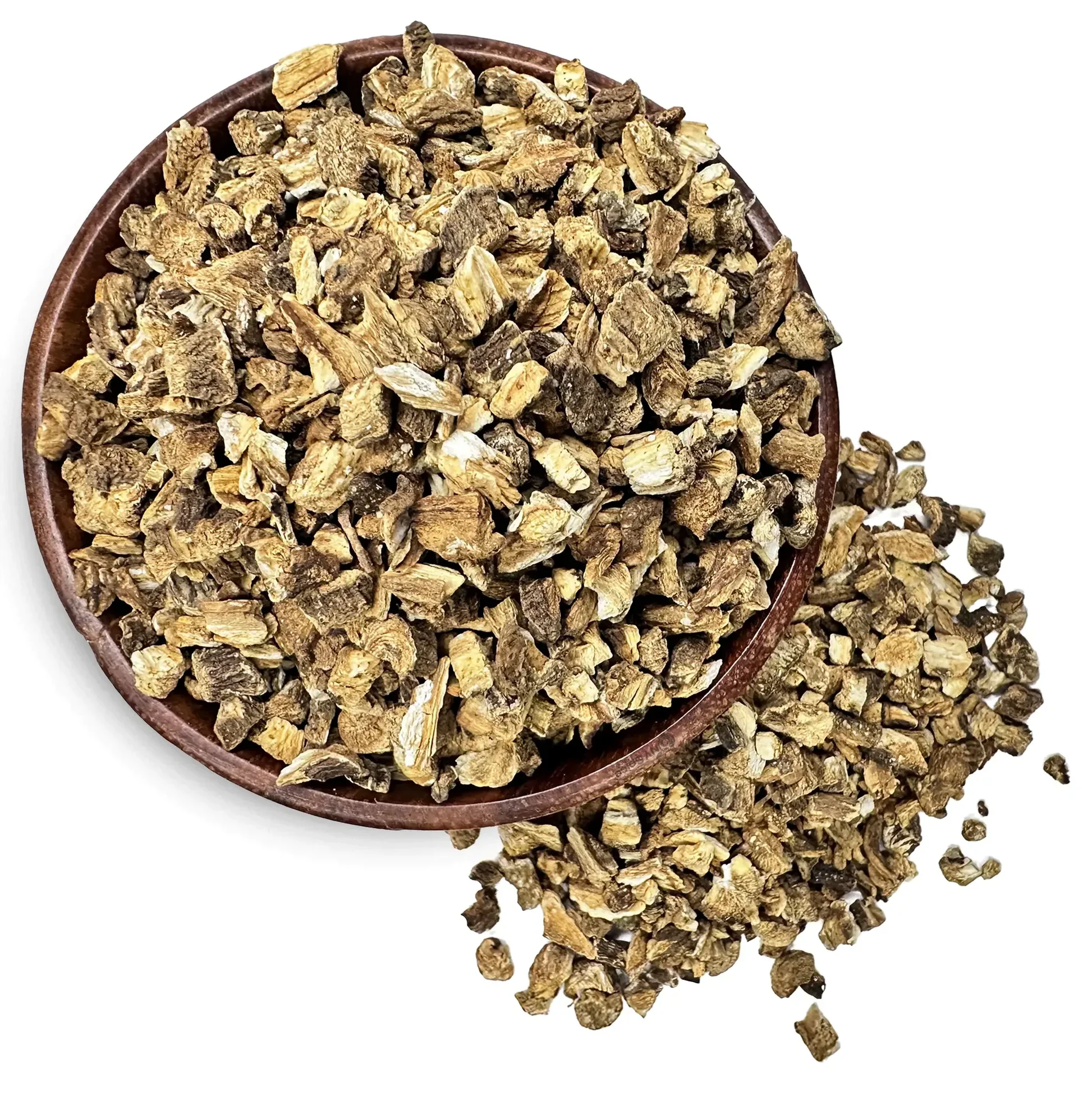 Image 2 of 2
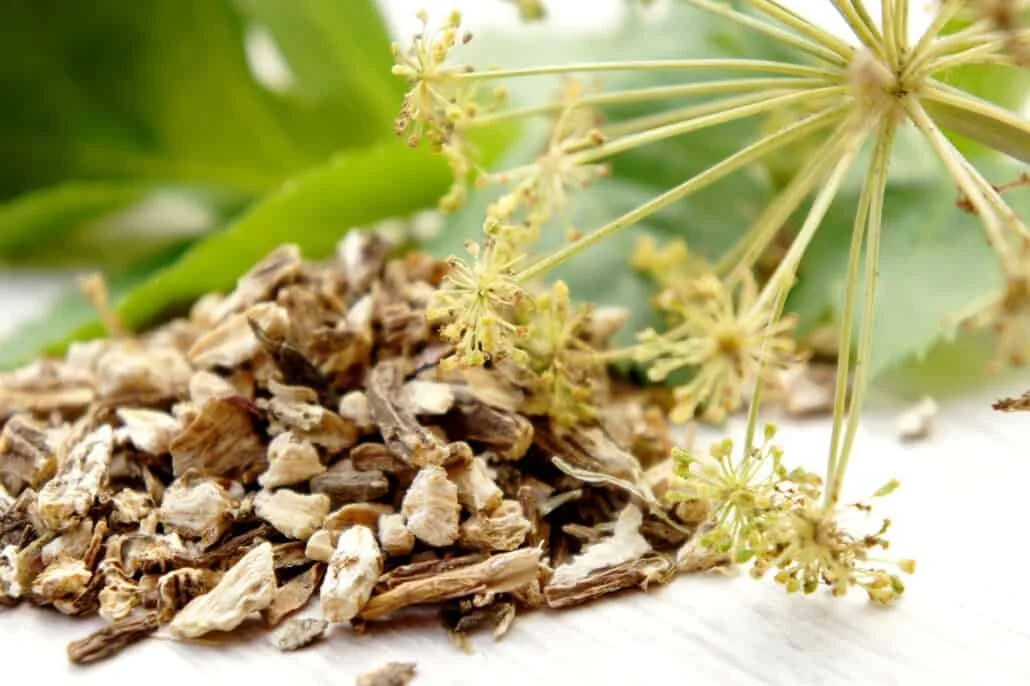
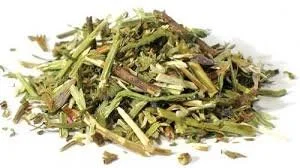
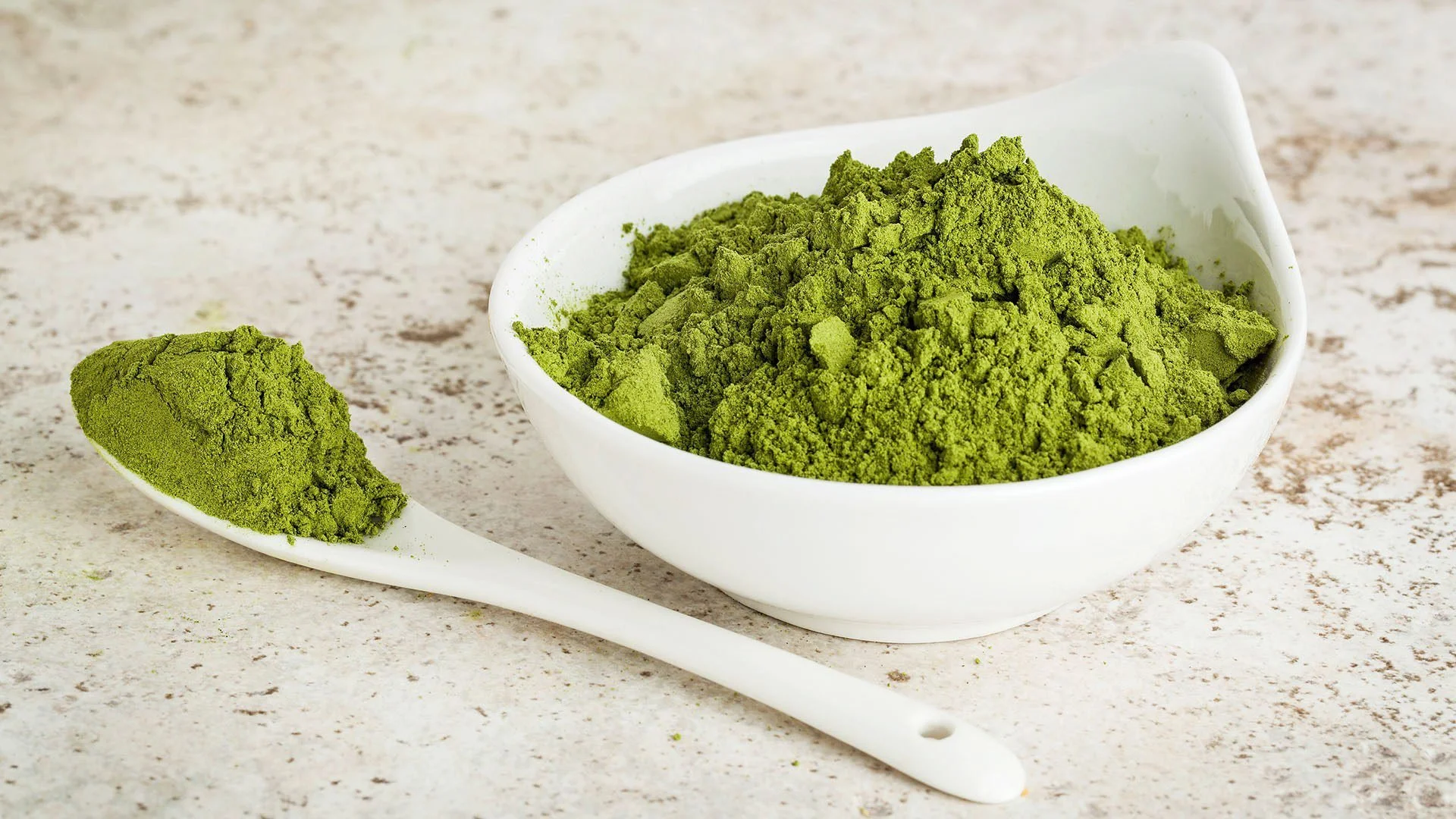
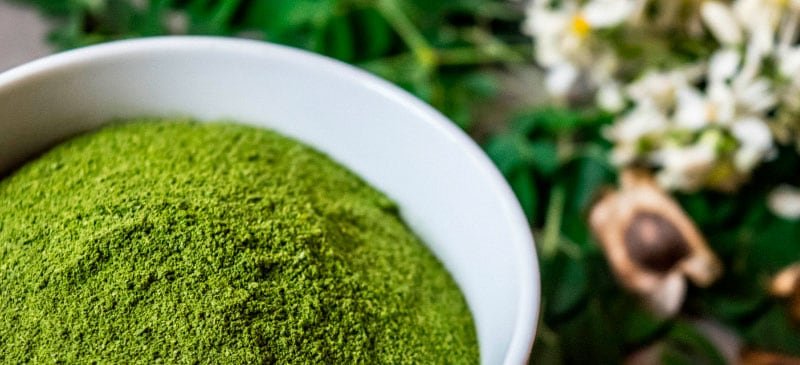
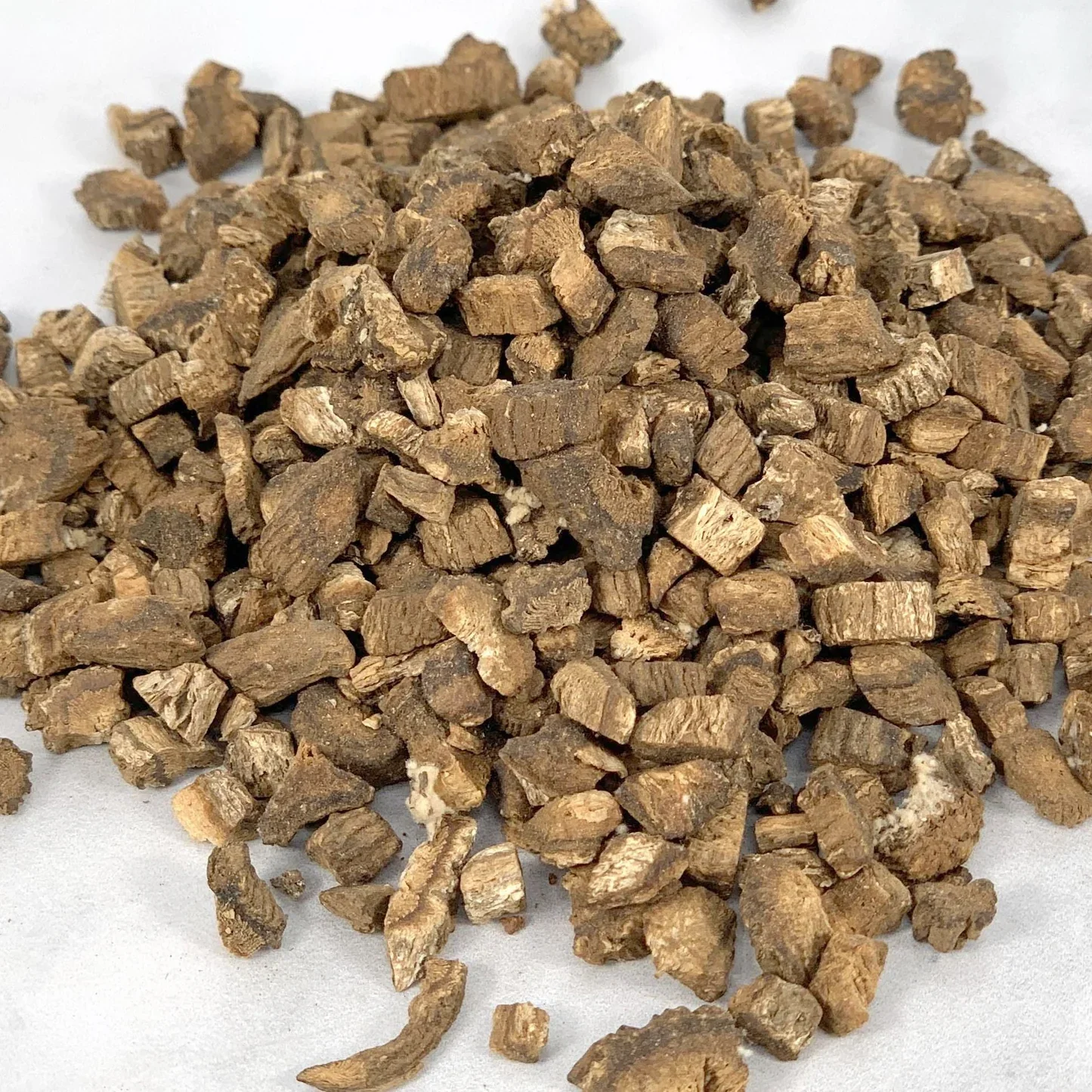
Burdock root is a slender, brownish-green vegetable from the Arctium lappa plant, native to Northern Asia and Europe. Widely used in Asian cuisine—where it’s known as gobo—it has a crisp texture and an earthy, slightly sweet flavor. Common culinary preparations include slicing or julienning for stir-fries, simmering in soups, pickling, and braising; in Japanese cooking, kinpira gobo (stir-fried and simmered burdock with carrot) is a classic.
Traditionally, burdock has been used in herbal medicine as a “blood purifier” and antioxidant. Herbalists attribute detoxifying properties to burdock root, using it in teas, tinctures, and topical poultices for skin conditions and to support general cleansing. Modern research has identified compounds in burdock—such as inulin (a prebiotic fiber), polyphenols, and flavonoids—that may contribute antioxidant and anti-inflammatory effects. Some studies suggest potential benefits for blood sugar regulation, liver protection, and microbial inhibition, but evidence is preliminary and often based on animal or in vitro studies rather than large human clinical trials.
Safety and usage notes:
Culinary use: burdock is eaten cooked or pickled. Peel only if skin is tough; otherwise, scrubbing is sufficient. The flavor pairs well with soy, sesame, ginger, and miso.
Dosage and extracts: follow product-specific guidance; concentrations vary.
Side effects and precautions: burdock contains inulin and other fibers that can cause gas or bloating in sensitive people. Allergic reactions are possible, particularly in those allergic to Asteraceae family plants (e.g., ragweed, chrysanthemums). Avoid large medicinal doses during pregnancy and breastfeeding unless supervised by a qualified practitioner.
Drug interactions: because burdock may affect blood sugar and possess diuretic properties, use caution with diabetes medications and diuretics.
In summary, burdock root (gobo) is both a versatile culinary ingredient in Asian cuisines and a traditional herbal remedy with antioxidant-associated compounds. Its culinary safety is well established; medicinal use merits cautious, informed application and consultation with a healthcare provider for therapeutic dosing or if you have underlying health conditions.
Burdock root is a slender, brownish-green vegetable from the Arctium lappa plant, native to Northern Asia and Europe. Widely used in Asian cuisine—where it’s known as gobo—it has a crisp texture and an earthy, slightly sweet flavor. Common culinary preparations include slicing or julienning for stir-fries, simmering in soups, pickling, and braising; in Japanese cooking, kinpira gobo (stir-fried and simmered burdock with carrot) is a classic.
Traditionally, burdock has been used in herbal medicine as a “blood purifier” and antioxidant. Herbalists attribute detoxifying properties to burdock root, using it in teas, tinctures, and topical poultices for skin conditions and to support general cleansing. Modern research has identified compounds in burdock—such as inulin (a prebiotic fiber), polyphenols, and flavonoids—that may contribute antioxidant and anti-inflammatory effects. Some studies suggest potential benefits for blood sugar regulation, liver protection, and microbial inhibition, but evidence is preliminary and often based on animal or in vitro studies rather than large human clinical trials.
Safety and usage notes:
Culinary use: burdock is eaten cooked or pickled. Peel only if skin is tough; otherwise, scrubbing is sufficient. The flavor pairs well with soy, sesame, ginger, and miso.
Dosage and extracts: follow product-specific guidance; concentrations vary.
Side effects and precautions: burdock contains inulin and other fibers that can cause gas or bloating in sensitive people. Allergic reactions are possible, particularly in those allergic to Asteraceae family plants (e.g., ragweed, chrysanthemums). Avoid large medicinal doses during pregnancy and breastfeeding unless supervised by a qualified practitioner.
Drug interactions: because burdock may affect blood sugar and possess diuretic properties, use caution with diabetes medications and diuretics.
In summary, burdock root (gobo) is both a versatile culinary ingredient in Asian cuisines and a traditional herbal remedy with antioxidant-associated compounds. Its culinary safety is well established; medicinal use merits cautious, informed application and consultation with a healthcare provider for therapeutic dosing or if you have underlying health conditions.