 Image 1 of 2
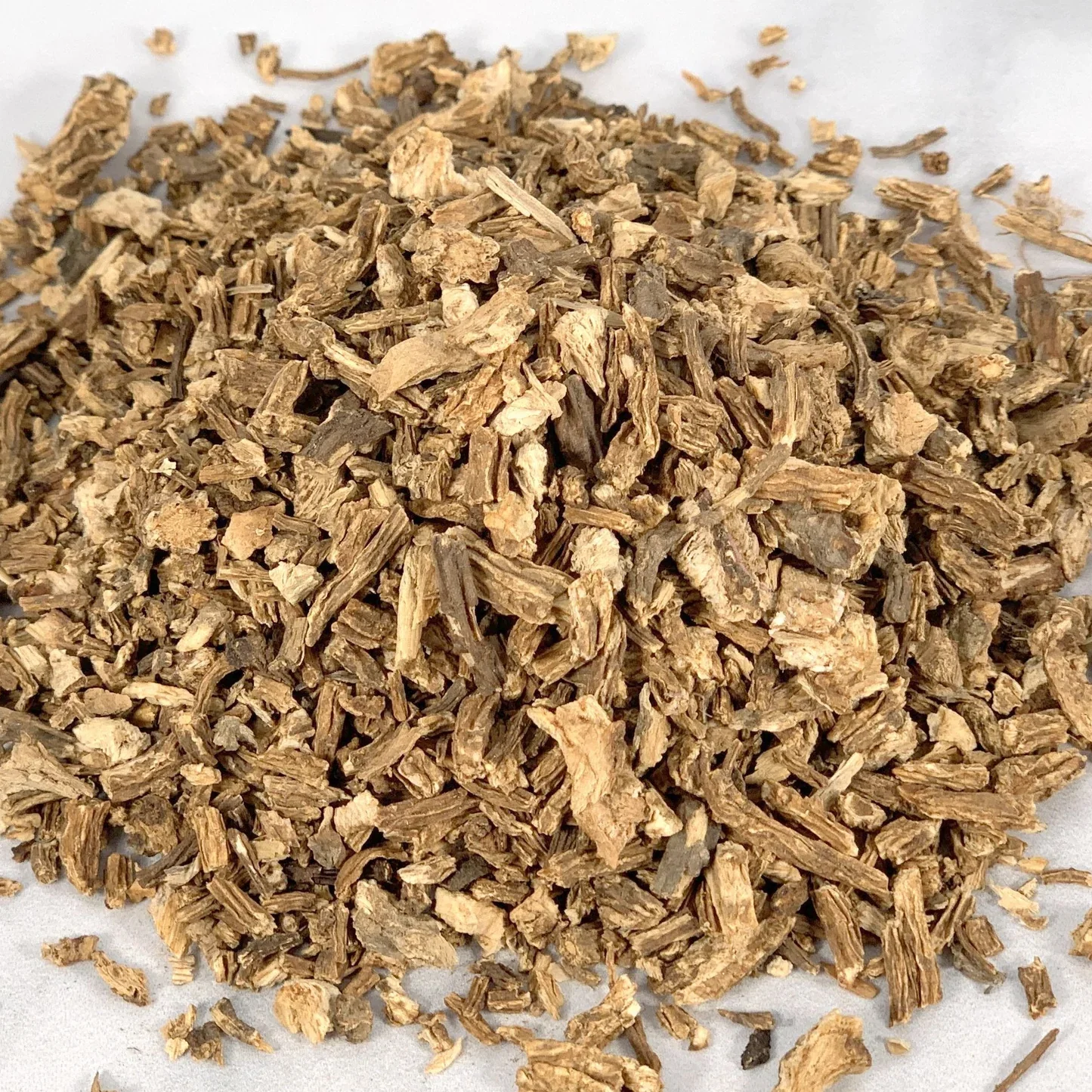 Image 2 of 2
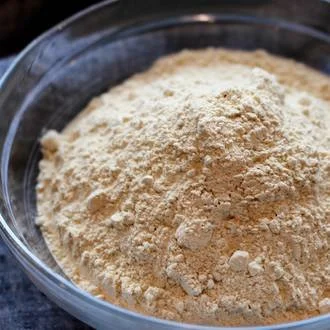
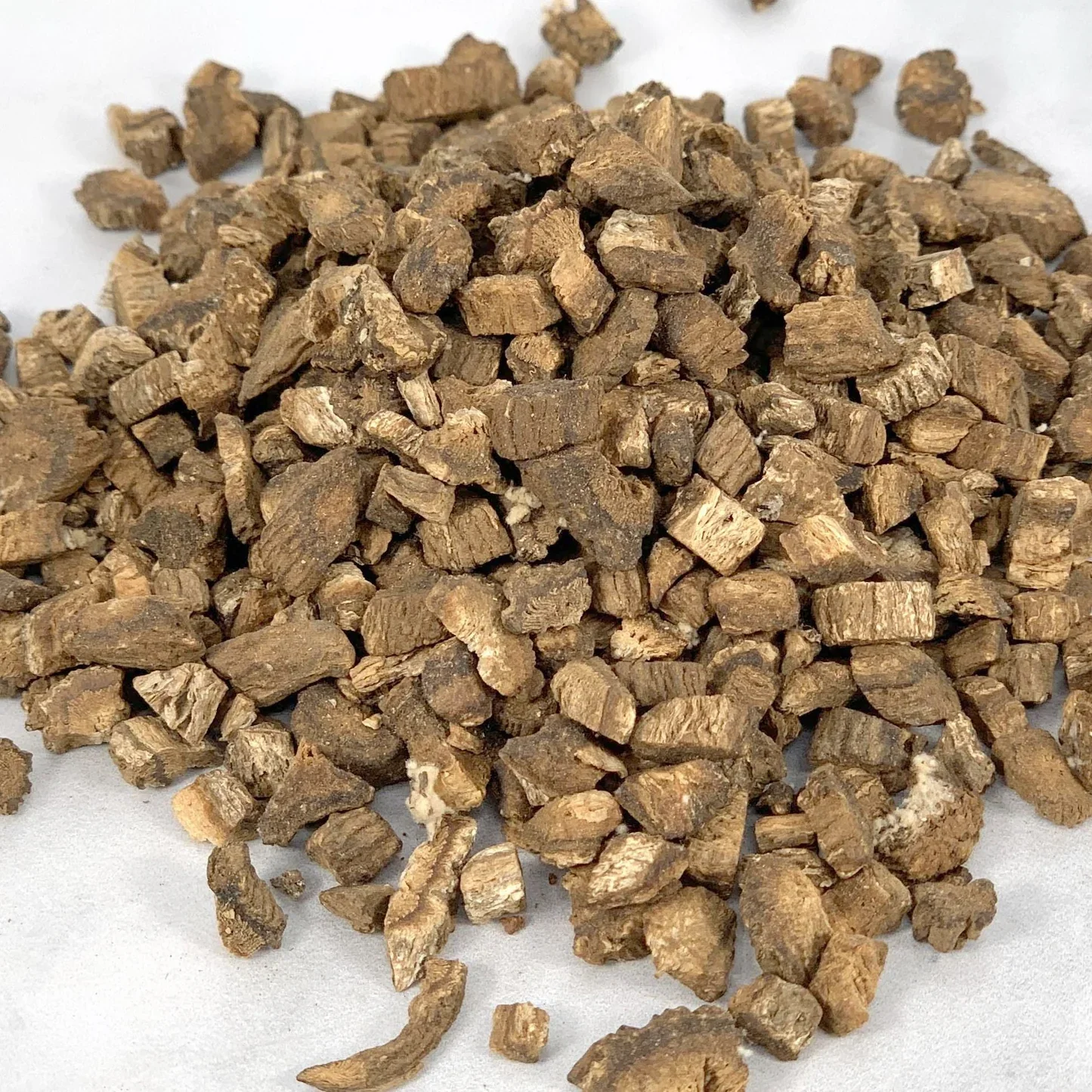
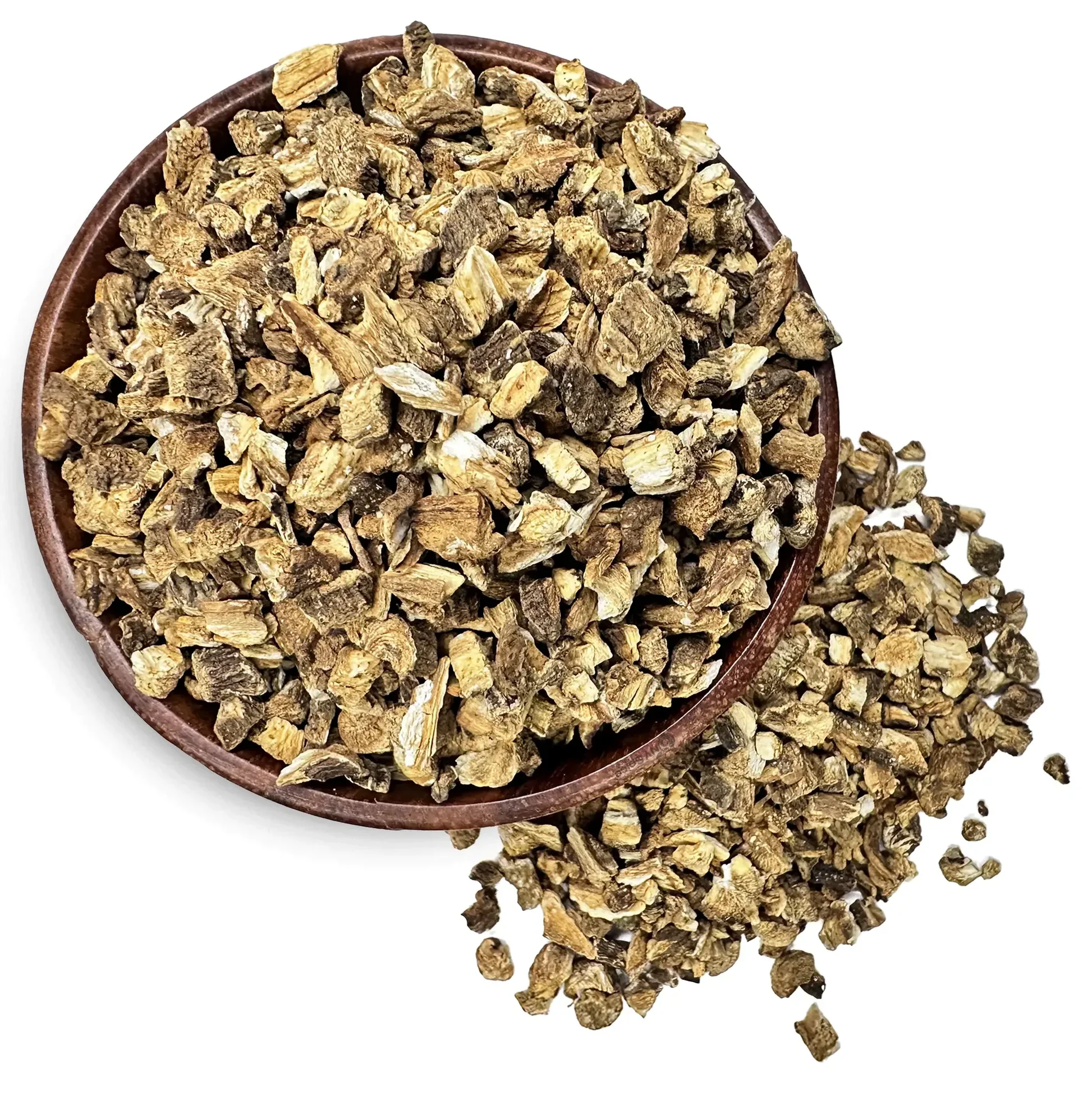
Angelica root refers primarily to the roots of Angelica archangelica (European angelica) and Angelica sinensis (the Chinese variety known as Dong Quai). Often called the "Angel of Herbs," it has been used for centuries in traditional medicine, culinary arts, and as a flavoring in spirits like gin and vermouth.
Botanical and common names
Scientific: Angelica archangelica (European) and Angelica sinensis (Dong Quai, Chinese).
Common: angelica root, dong quai, angelica.
Appearance and parts used
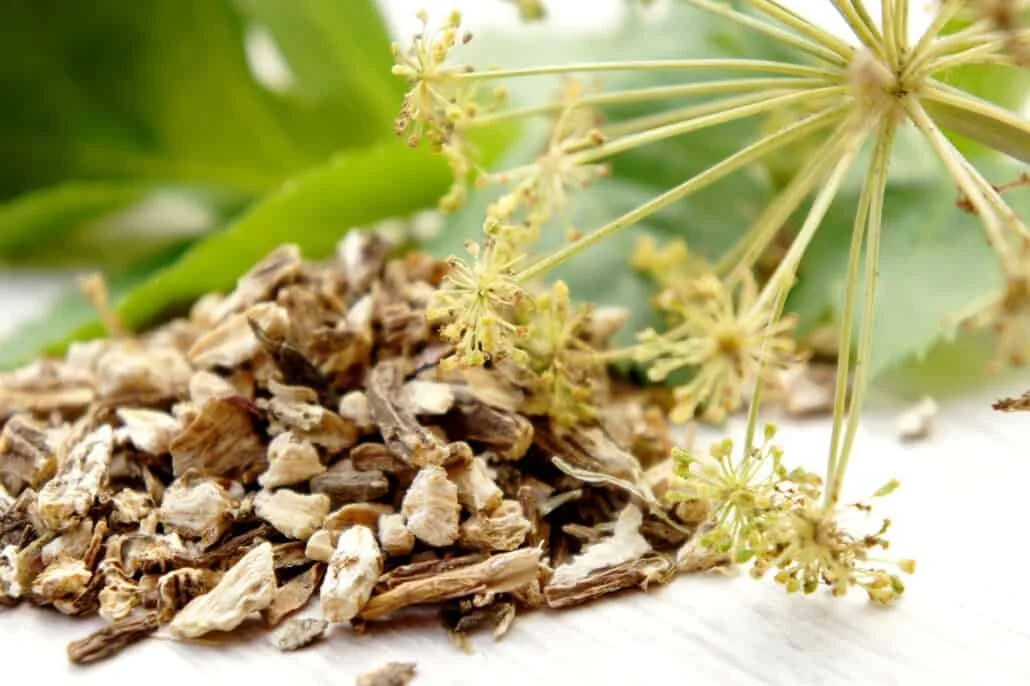
Roots: thick, fibrous, aromatic; the primary part used for medicinal and flavoring purposes.
Other parts: stems, leaves, and seeds are also used, especially in culinary and perfumery contexts.
Traditional and herbal uses
European (A. archangelica): historically used as a carminative and digestive aid, for respiratory complaints, and as a general tonic.
Chinese (A. sinensis, Dong Quai): commonly used in Traditional Chinese Medicine for women's health—menstrual regulation, blood tonic, and to relieve menstrual pain and menopausal symptoms.
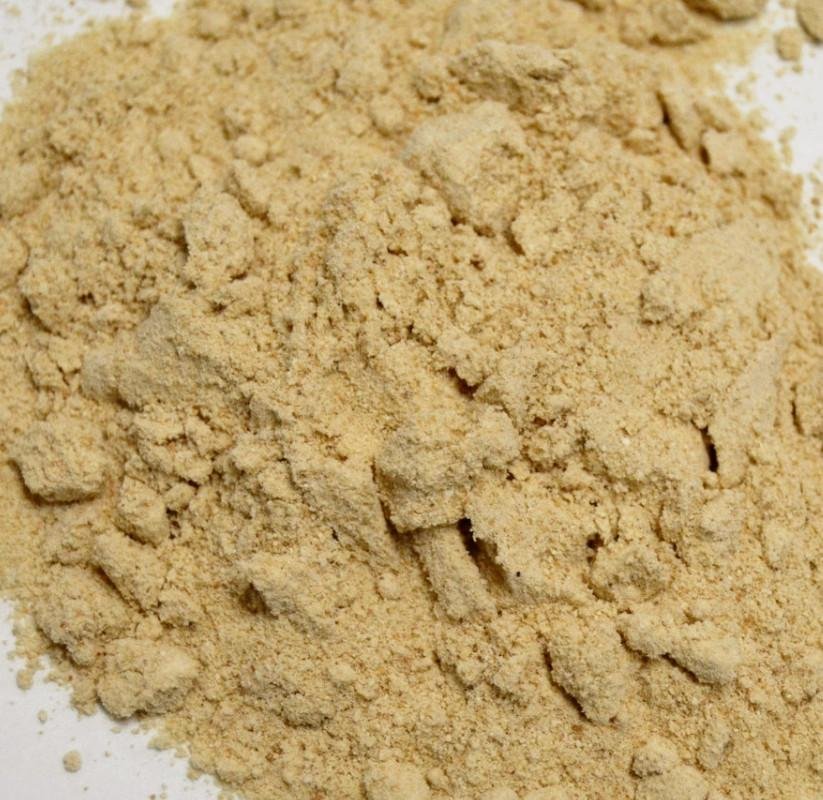
Preparations: decoctions, tinctures, powders, and incorporated into herbal formulas.
Active constituents and properties
Essential oils: contains compounds such as α- and β-pinene, limonene, and angelic acid derivatives, contributing to its aroma and flavor.
Coumarins and furanocoumarins: have bioactive properties; furanocoumarins may cause photosensitivity in some individuals.
Phytosterols and polysaccharides: implicated in some of the herb’s reported actions.
Note: Constituents vary between species and plant part; processing and harvest time affect chemical profile.
Culinary and flavoring uses
Aperitifs and spirits: angelica root and seeds are traditional flavoring agents in gin, vermouth, Chartreuse, and other liqueurs.
Culinary: candied angelica stalks are used as a decorative sweet; root extracts and stems can contribute herbal, slightly bitter notes to soups,
Angelica root refers primarily to the roots of Angelica archangelica (European angelica) and Angelica sinensis (the Chinese variety known as Dong Quai). Often called the "Angel of Herbs," it has been used for centuries in traditional medicine, culinary arts, and as a flavoring in spirits like gin and vermouth.
Botanical and common names
Scientific: Angelica archangelica (European) and Angelica sinensis (Dong Quai, Chinese).
Common: angelica root, dong quai, angelica.
Appearance and parts used
Roots: thick, fibrous, aromatic; the primary part used for medicinal and flavoring purposes.
Other parts: stems, leaves, and seeds are also used, especially in culinary and perfumery contexts.
Traditional and herbal uses
European (A. archangelica): historically used as a carminative and digestive aid, for respiratory complaints, and as a general tonic.
Chinese (A. sinensis, Dong Quai): commonly used in Traditional Chinese Medicine for women's health—menstrual regulation, blood tonic, and to relieve menstrual pain and menopausal symptoms.
Preparations: decoctions, tinctures, powders, and incorporated into herbal formulas.
Active constituents and properties
Essential oils: contains compounds such as α- and β-pinene, limonene, and angelic acid derivatives, contributing to its aroma and flavor.
Coumarins and furanocoumarins: have bioactive properties; furanocoumarins may cause photosensitivity in some individuals.
Phytosterols and polysaccharides: implicated in some of the herb’s reported actions.
Note: Constituents vary between species and plant part; processing and harvest time affect chemical profile.
Culinary and flavoring uses
Aperitifs and spirits: angelica root and seeds are traditional flavoring agents in gin, vermouth, Chartreuse, and other liqueurs.
Culinary: candied angelica stalks are used as a decorative sweet; root extracts and stems can contribute herbal, slightly bitter notes to soups,