 Image 1 of 2
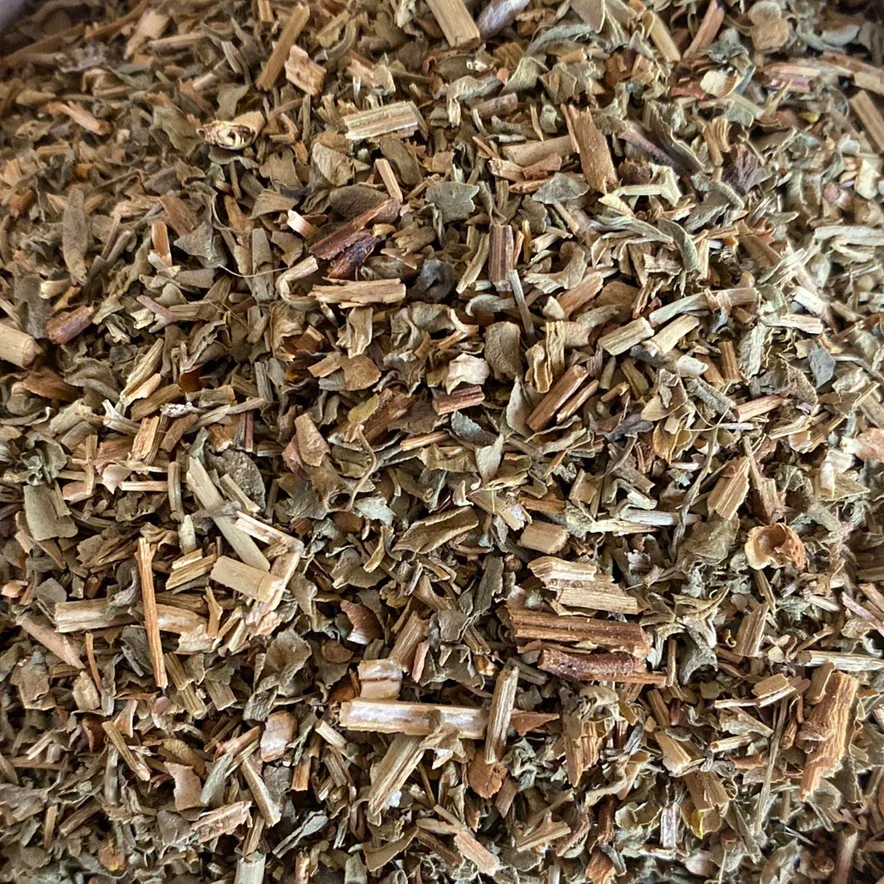 Image 2 of 2
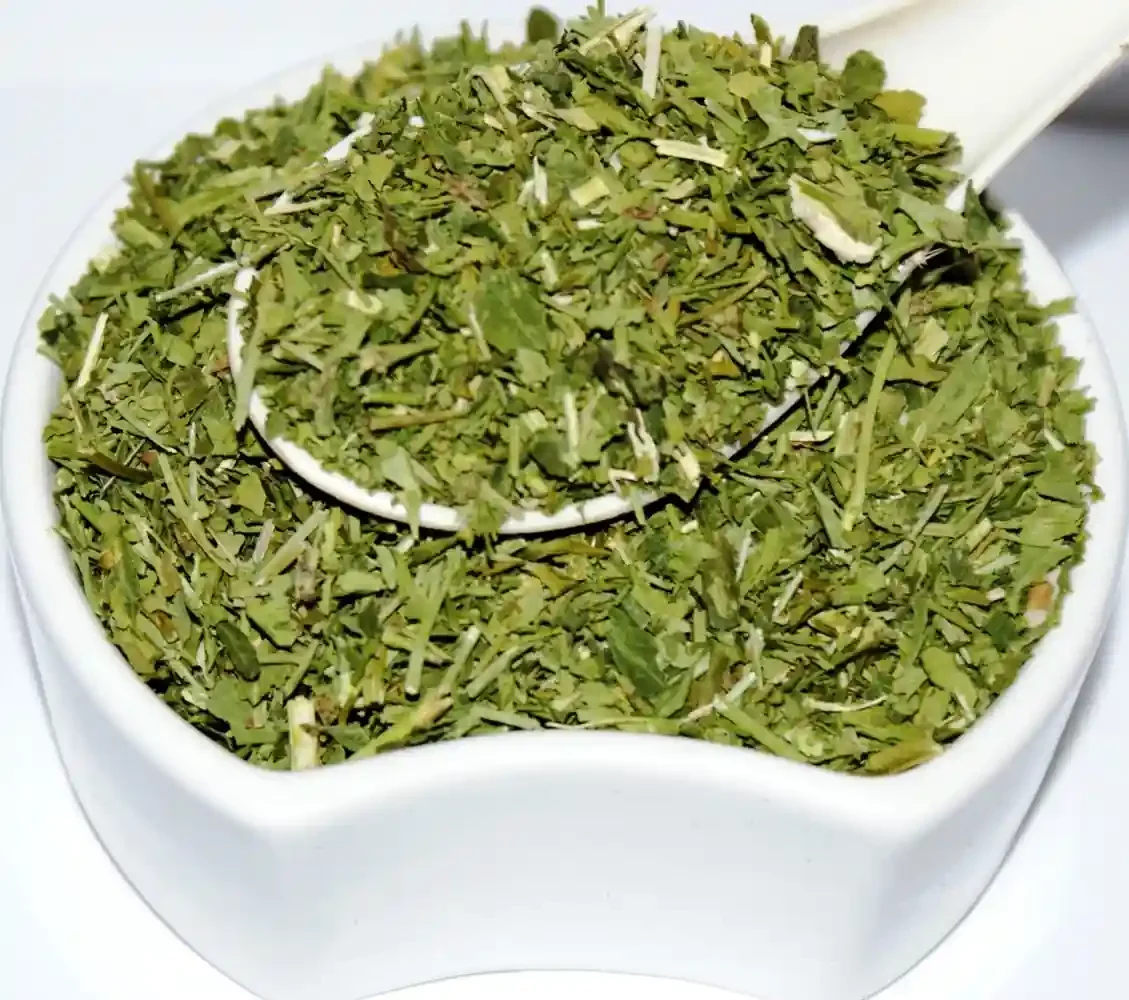
Overview Rue (Ruta graveolens) is a perennial herb valued for its distinctive blue-green foliage and strong, bitter aroma. Traditionally used in small amounts for culinary flavoring, herbal medicine, and as an ornamental, rue has a long history in Mediterranean and European herbalism.
Key characteristics
Appearance: Woody-stemmed perennial with pinnate, bluish-green leaves and clusters of small yellow flowers.
Aroma/taste: Pungent, bitter, and very aromatic; flavor is intense and should be used sparingly.
Growth: Hardy in temperate climates; prefers full sun, well-drained soil, and moderate watering.
Uses
Culinary: Historically used as a flavoring in Mediterranean dishes, liqueurs, and digestive bitters. Because of its strong bitterness and potential toxicity in large amounts, culinary use should be limited to tiny quantities and traditional preparations.
Herbal/traditional: Employed for digestive support, antispasmodic effects, and as an external rub for topical issues in traditional systems. Modern use is cautious due to risk of skin irritation, photosensitivity, and toxicity if taken internally in large doses.
Ornamental: Attractive foliage and drought tolerance make rue suitable for herb gardens, rock gardens, and borders.
Safety and precautions
Use sparingly. Internal use is not advised without guidance from a qualified health professional.
Skin sensitivity: Rue oil and fresh sap can cause contact dermatitis and severe photosensitivity in some individuals. Always perform a patch test before topical use; avoid sun exposure on treated skin.
Pregnancy and breastfeeding: Contraindicated. Rue may stimulate uterine contractions and is unsafe in pregnancy.
Drug interactions: May interact with medications; consult a healthcare provider before use.
Children and pets: Keep out of reach; toxic if ingested in significant amounts.
Quality and sourcing
100% organic: Grown without synthetic pesticides, herbicides, or chemical fertilizers. Organic cultivation helps preserve soil health and reduce chemical residues.
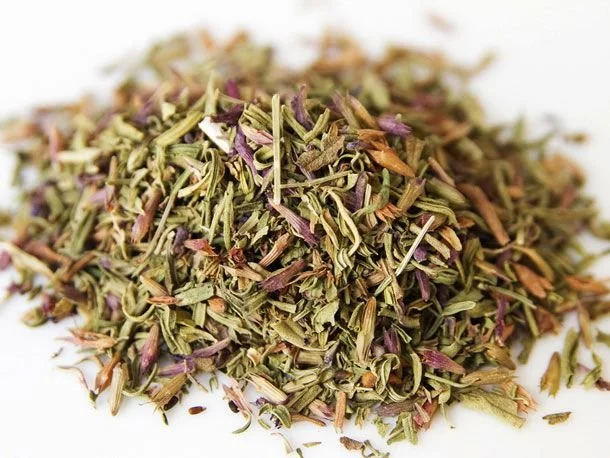
Harvesting: Leaves should be harvested before flowering for best flavor and potency; dried in a shaded, well-ventilated area to preserve aromatic compounds.
Storage: Store dried rue in a cool, dark, airtight container to maintain potency and prevent degradation.
Suggested preparations
Infusion (external only recommended): Steep 1 teaspoon dried rue in 1 cup hot water for 5–10 minutes, cool, and use as a very dilute wash for topical application after patch testing.
Culinary (traditional, minimal use): A single leaf or pinch of dried rue may be added to bitter stews
Overview Rue (Ruta graveolens) is a perennial herb valued for its distinctive blue-green foliage and strong, bitter aroma. Traditionally used in small amounts for culinary flavoring, herbal medicine, and as an ornamental, rue has a long history in Mediterranean and European herbalism.
Key characteristics
Appearance: Woody-stemmed perennial with pinnate, bluish-green leaves and clusters of small yellow flowers.
Aroma/taste: Pungent, bitter, and very aromatic; flavor is intense and should be used sparingly.
Growth: Hardy in temperate climates; prefers full sun, well-drained soil, and moderate watering.
Uses
Culinary: Historically used as a flavoring in Mediterranean dishes, liqueurs, and digestive bitters. Because of its strong bitterness and potential toxicity in large amounts, culinary use should be limited to tiny quantities and traditional preparations.
Herbal/traditional: Employed for digestive support, antispasmodic effects, and as an external rub for topical issues in traditional systems. Modern use is cautious due to risk of skin irritation, photosensitivity, and toxicity if taken internally in large doses.
Ornamental: Attractive foliage and drought tolerance make rue suitable for herb gardens, rock gardens, and borders.
Safety and precautions
Use sparingly. Internal use is not advised without guidance from a qualified health professional.
Skin sensitivity: Rue oil and fresh sap can cause contact dermatitis and severe photosensitivity in some individuals. Always perform a patch test before topical use; avoid sun exposure on treated skin.
Pregnancy and breastfeeding: Contraindicated. Rue may stimulate uterine contractions and is unsafe in pregnancy.
Drug interactions: May interact with medications; consult a healthcare provider before use.
Children and pets: Keep out of reach; toxic if ingested in significant amounts.
Quality and sourcing
100% organic: Grown without synthetic pesticides, herbicides, or chemical fertilizers. Organic cultivation helps preserve soil health and reduce chemical residues.
Harvesting: Leaves should be harvested before flowering for best flavor and potency; dried in a shaded, well-ventilated area to preserve aromatic compounds.
Storage: Store dried rue in a cool, dark, airtight container to maintain potency and prevent degradation.
Suggested preparations
Infusion (external only recommended): Steep 1 teaspoon dried rue in 1 cup hot water for 5–10 minutes, cool, and use as a very dilute wash for topical application after patch testing.
Culinary (traditional, minimal use): A single leaf or pinch of dried rue may be added to bitter stews