 Image 1 of 2
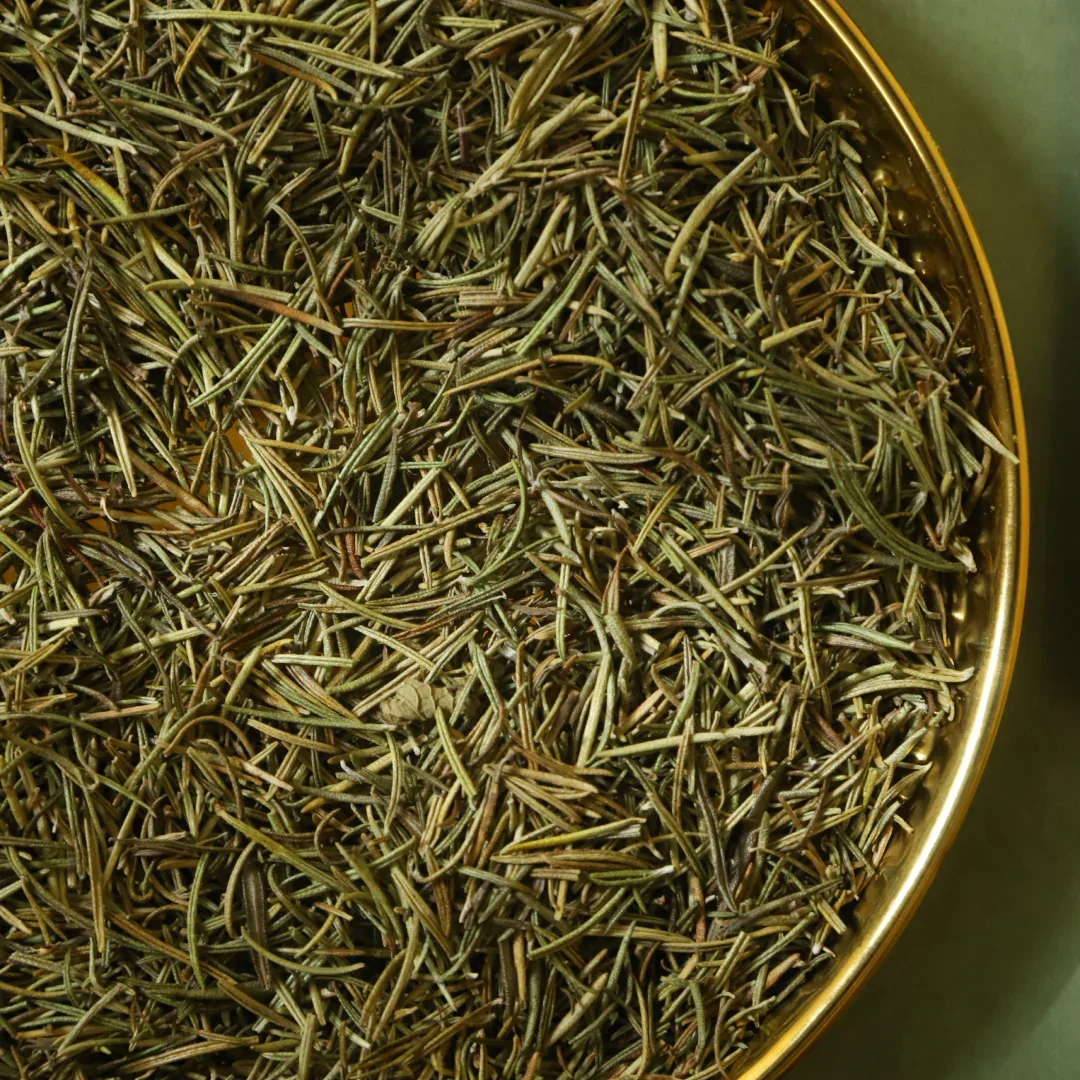 Image 2 of 2
Organic Rosemary Leaves
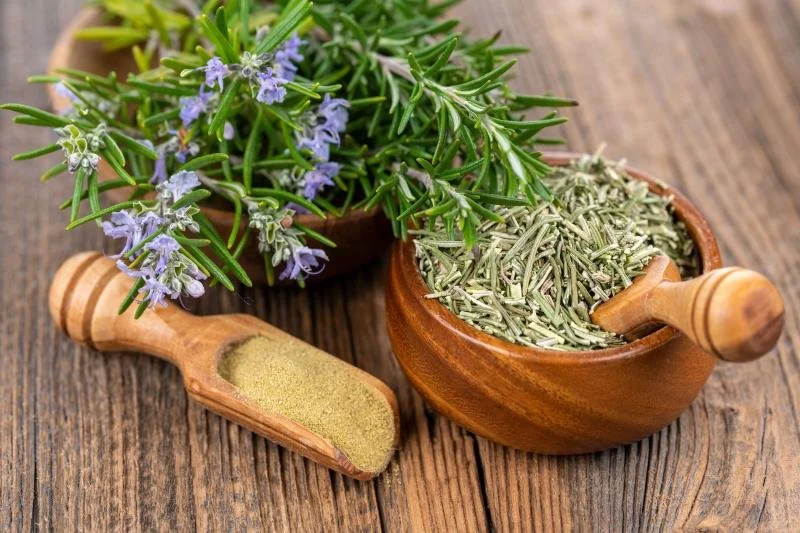
Product Overview Organic rosemary leaves are the dried, aromatic foliage of the Rosmarinus officinalis (rosemary) plant, cultivated without synthetic pesticides, herbicides, or chemical fertilizers. Known for a robust piney, slightly camphor-like aroma and warm, bitter-balsamic flavor, organic rosemary is a versatile herb used in culinary, medicinal, and aromatic applications.
Key Features
Certified organic: Grown and processed according to organic agriculture standards to ensure minimal chemical residues and sustainable practices.
Whole or crushed leaves: Available as whole needle-like leaves or lightly crushed to release more aroma and flavor.
Strong, long-lasting flavor: Concentrated essential oils provide potent taste and aroma; a small amount goes a long way.
Shelf stability: Properly stored dried rosemary retains flavor for up to 1–2 years; whole leaves last longer than ground forms.
Culinary Uses
Roasts and grilled meats: Excellent with lamb, pork, beef, and chicken; pairs well with garlic and lemon.
Potatoes and root vegetables: Toss with olive oil, salt, and rosemary before roasting.
Breads and baked goods: Infuse into focaccia, biscuits, or savory scones.
Sauces and marinades: Add to compound butters, pan sauces, and marinades for depth and aromatic lift.
Infused oils and vinegars: Steep leaves in warm oil or vinegar to create flavored condiments.
Dosage and Cooking Tips
Use sparingly: Dried rosemary is potent—start with 1/4 to 1/2 teaspoon per serving and adjust to taste.
Rehydrate when needed: Simmer leaves in sauces or broths to soften texture and release flavor.
Remove for texture-sensitive dishes: Use whole sprigs for infusing and remove before serving, or crush leaves finely for even distribution.
Pairings: Complements thyme, sage, oregano, garlic, lemon, olives, and rosemary-friendly cheeses like pecorino and manchego.
Aromatic and Nonculinary Uses
Aromatherapy and sachets: Dried rosemary leaves add a fresh, herbaceous scent to sachets and potpourri.
Bath and body: Used in bath salts and scrubs for a revitalizing aroma and potential skin-soothing properties.
Household: Natural room freshener when simmered with citrus peels; repels some insects when placed near doorways.
Quality and Storage
Look for deep green color and intact needle shape; avoid overly brown or dusty leaves.
Aroma should be strong and characteristic; weak scent indicates aged product.
Store in a cool, dark, airtight container away from heat and light.
For best flavor, use within 12–24 months; whole leaves retain potency longer than ground.
Safety and Considerations
Generally safe in culinary amounts. In concentrated medicinal doses, rosemary essential oil or large oral doses of rosemary may cause adverse effects—avoid without professional guidance.
Pregnant or breastfeeding individuals and people with epilepsy or high blood pressure should consult a healthcare provider before using rosemary medicinally.
Allergic reactions are rare but possible; discontinue use if irritation occurs.
Sourcing and Certifications
Seek products with credible organic certification
Organic Rosemary Leaves
Product Overview Organic rosemary leaves are the dried, aromatic foliage of the Rosmarinus officinalis (rosemary) plant, cultivated without synthetic pesticides, herbicides, or chemical fertilizers. Known for a robust piney, slightly camphor-like aroma and warm, bitter-balsamic flavor, organic rosemary is a versatile herb used in culinary, medicinal, and aromatic applications.
Key Features
Certified organic: Grown and processed according to organic agriculture standards to ensure minimal chemical residues and sustainable practices.
Whole or crushed leaves: Available as whole needle-like leaves or lightly crushed to release more aroma and flavor.
Strong, long-lasting flavor: Concentrated essential oils provide potent taste and aroma; a small amount goes a long way.
Shelf stability: Properly stored dried rosemary retains flavor for up to 1–2 years; whole leaves last longer than ground forms.
Culinary Uses
Roasts and grilled meats: Excellent with lamb, pork, beef, and chicken; pairs well with garlic and lemon.
Potatoes and root vegetables: Toss with olive oil, salt, and rosemary before roasting.
Breads and baked goods: Infuse into focaccia, biscuits, or savory scones.
Sauces and marinades: Add to compound butters, pan sauces, and marinades for depth and aromatic lift.
Infused oils and vinegars: Steep leaves in warm oil or vinegar to create flavored condiments.
Dosage and Cooking Tips
Use sparingly: Dried rosemary is potent—start with 1/4 to 1/2 teaspoon per serving and adjust to taste.
Rehydrate when needed: Simmer leaves in sauces or broths to soften texture and release flavor.
Remove for texture-sensitive dishes: Use whole sprigs for infusing and remove before serving, or crush leaves finely for even distribution.
Pairings: Complements thyme, sage, oregano, garlic, lemon, olives, and rosemary-friendly cheeses like pecorino and manchego.
Aromatic and Nonculinary Uses
Aromatherapy and sachets: Dried rosemary leaves add a fresh, herbaceous scent to sachets and potpourri.
Bath and body: Used in bath salts and scrubs for a revitalizing aroma and potential skin-soothing properties.
Household: Natural room freshener when simmered with citrus peels; repels some insects when placed near doorways.
Quality and Storage
Look for deep green color and intact needle shape; avoid overly brown or dusty leaves.
Aroma should be strong and characteristic; weak scent indicates aged product.
Store in a cool, dark, airtight container away from heat and light.
For best flavor, use within 12–24 months; whole leaves retain potency longer than ground.
Safety and Considerations
Generally safe in culinary amounts. In concentrated medicinal doses, rosemary essential oil or large oral doses of rosemary may cause adverse effects—avoid without professional guidance.
Pregnant or breastfeeding individuals and people with epilepsy or high blood pressure should consult a healthcare provider before using rosemary medicinally.
Allergic reactions are rare but possible; discontinue use if irritation occurs.
Sourcing and Certifications
Seek products with credible organic certification