 Image 1 of 1
Handcrafted Poppet Dolls from Haiti
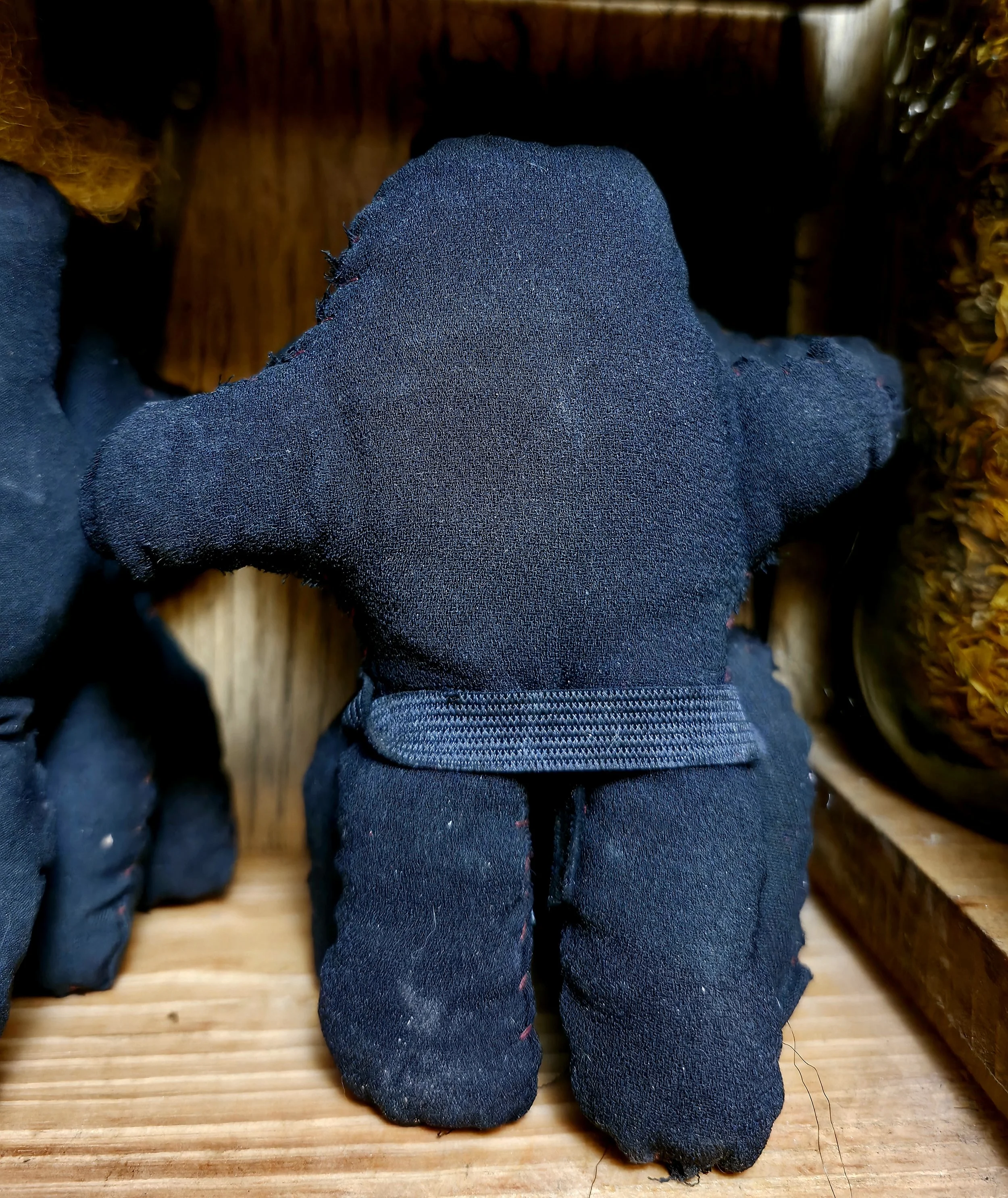
Handcrafted poppet dolls from Haiti are small, made-to-purpose figures rooted in Haitian folk traditions and spiritual practices. Each doll is individually fashioned by local artisans using materials such as cloth, yarn, beads, thread, seeds, and natural fibers. The result is a tactile object that combines craftsmanship with symbolic intent.
What they are
Human-shaped figures created by hand.
Built from readily available materials: cotton, muslin, hemp, raffia, buttons, sequins, and reclaimed fabrics.
Sometimes stuffed with herbs, roots, or personal items when used for ritual purposes.
Cultural and spiritual context
Poppet dolls in Haiti are related to broader Afro-Caribbean spiritual practices influenced by West African, Indigenous, and European traditions.
In Vodou and other folk natures, a poppet can serve as a focus for prayers, intentions, healing, protection, or remembrance.
Not all dolls are used for ritual — many are made as decorative folk art that honors cultural forms and artisan skill.
Respect and consent matter: when a poppet is made for spiritual work, practitioners and recipients typically observe specific protocols and privacy.
Artisan techniques
Sewing and wrapping: basic hand-stitching and wrapping form the body and limbs.
Embellishment: beads and sequins add color and texture; embroidery adds facial features or symbolic patterns.
Fixings: stitched seams, tied cords, and glued elements secure details.
Filling: natural fillings (cotton, straw) or symbolic items are sometimes used according to the doll’s purpose.
Handcrafted Poppet Dolls from Haiti
Handcrafted poppet dolls from Haiti are small, made-to-purpose figures rooted in Haitian folk traditions and spiritual practices. Each doll is individually fashioned by local artisans using materials such as cloth, yarn, beads, thread, seeds, and natural fibers. The result is a tactile object that combines craftsmanship with symbolic intent.
What they are
Human-shaped figures created by hand.
Built from readily available materials: cotton, muslin, hemp, raffia, buttons, sequins, and reclaimed fabrics.
Sometimes stuffed with herbs, roots, or personal items when used for ritual purposes.
Cultural and spiritual context
Poppet dolls in Haiti are related to broader Afro-Caribbean spiritual practices influenced by West African, Indigenous, and European traditions.
In Vodou and other folk natures, a poppet can serve as a focus for prayers, intentions, healing, protection, or remembrance.
Not all dolls are used for ritual — many are made as decorative folk art that honors cultural forms and artisan skill.
Respect and consent matter: when a poppet is made for spiritual work, practitioners and recipients typically observe specific protocols and privacy.
Artisan techniques
Sewing and wrapping: basic hand-stitching and wrapping form the body and limbs.
Embellishment: beads and sequins add color and texture; embroidery adds facial features or symbolic patterns.
Fixings: stitched seams, tied cords, and glued elements secure details.
Filling: natural fillings (cotton, straw) or symbolic items are sometimes used according to the doll’s purpose.