 Image 1 of 2
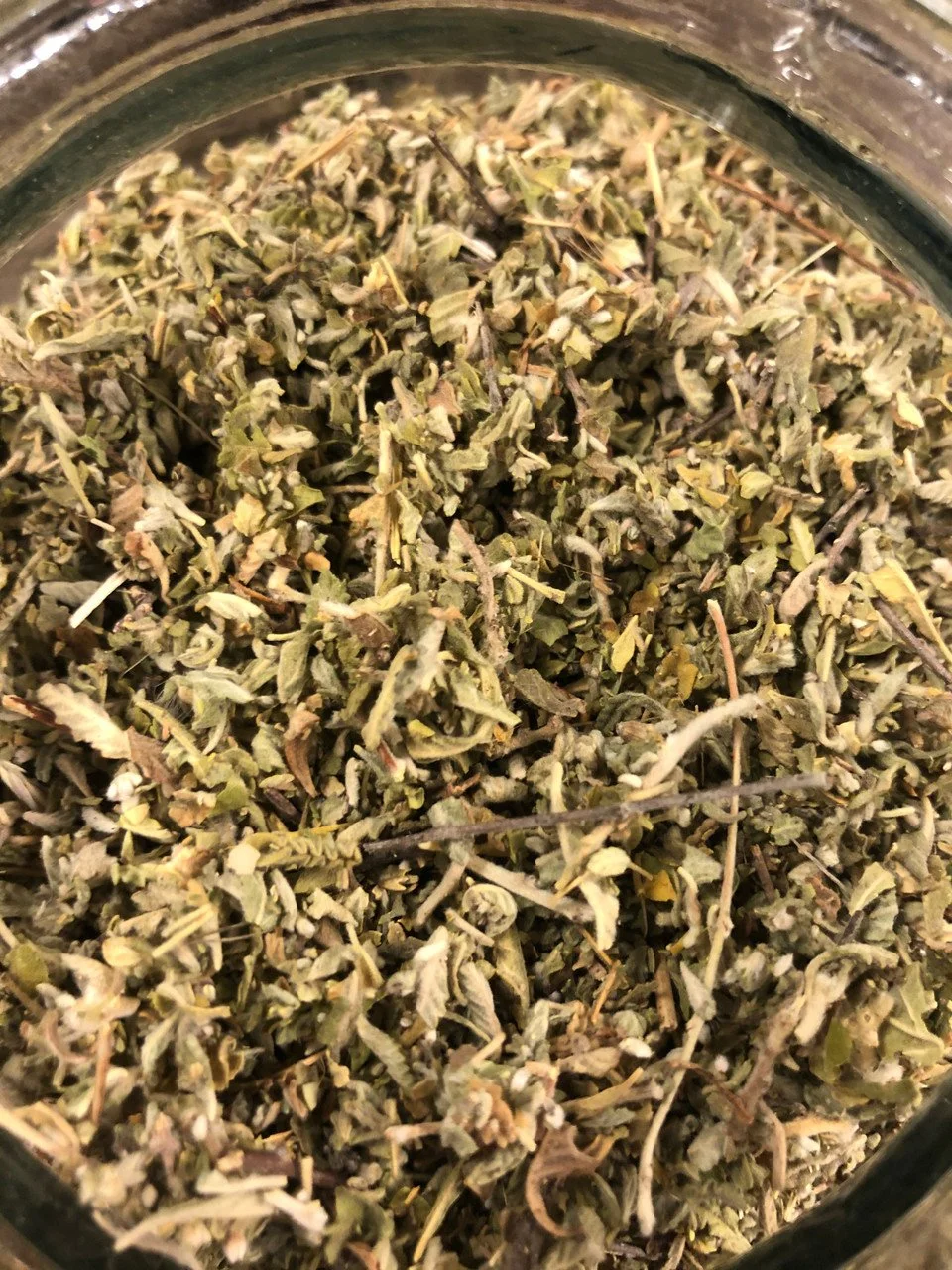 Image 2 of 2
Damiana Leaf
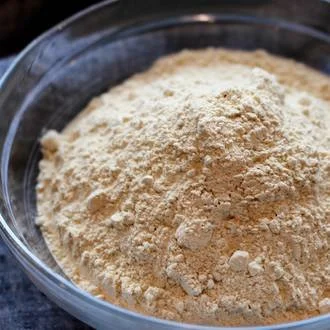
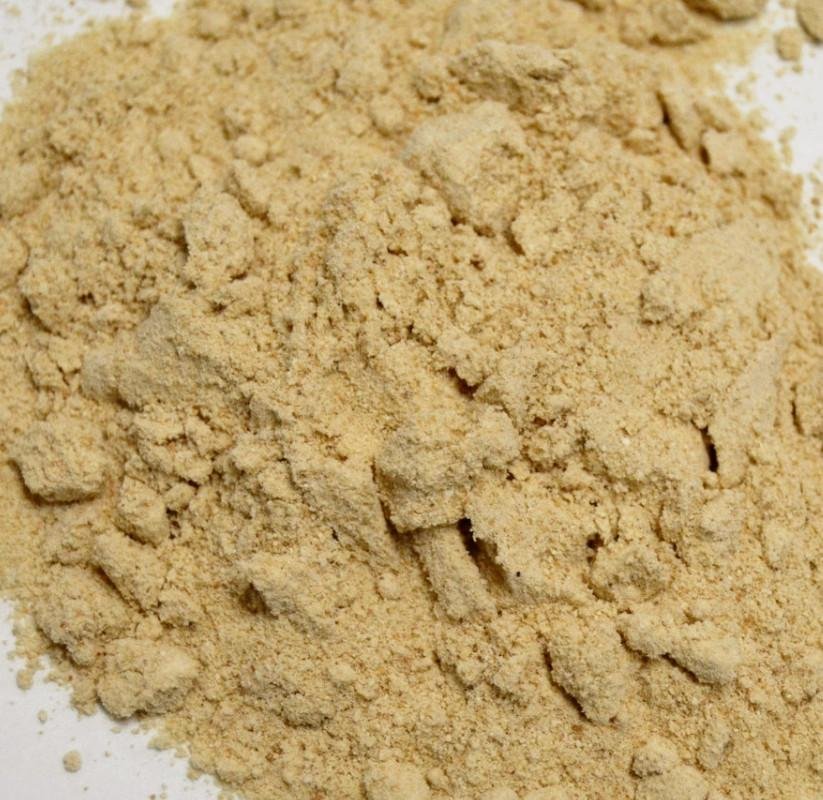
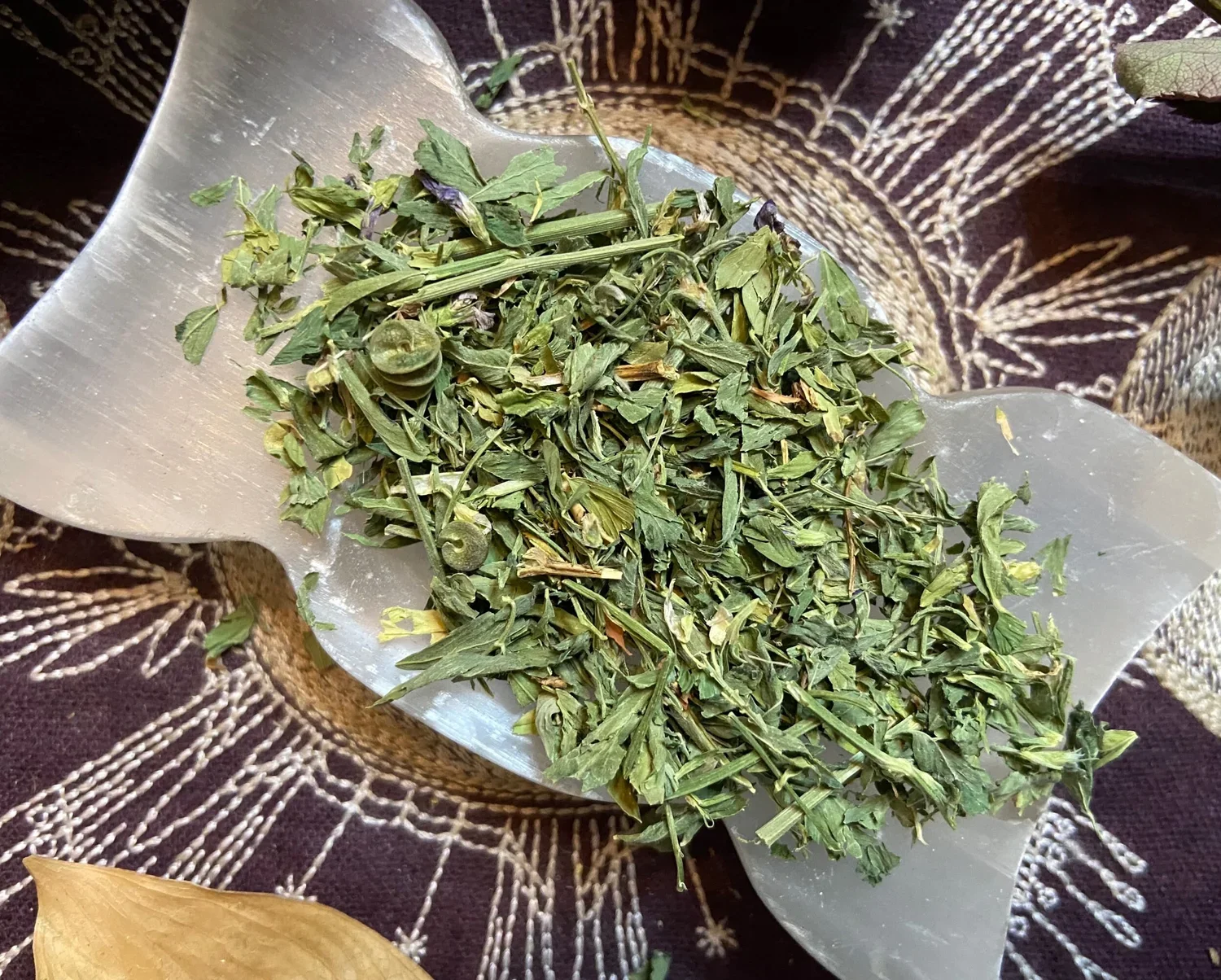
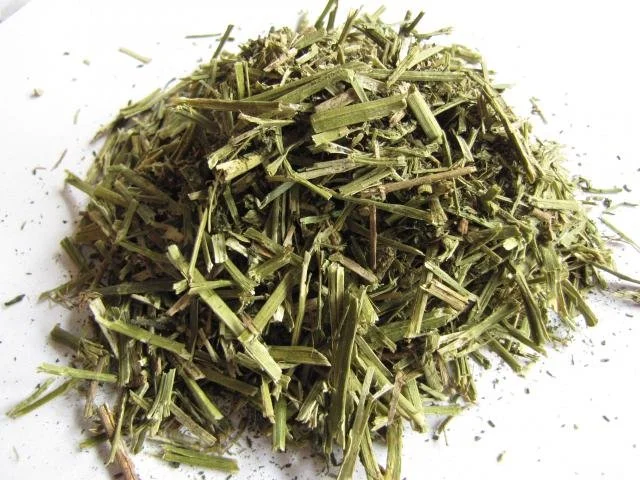
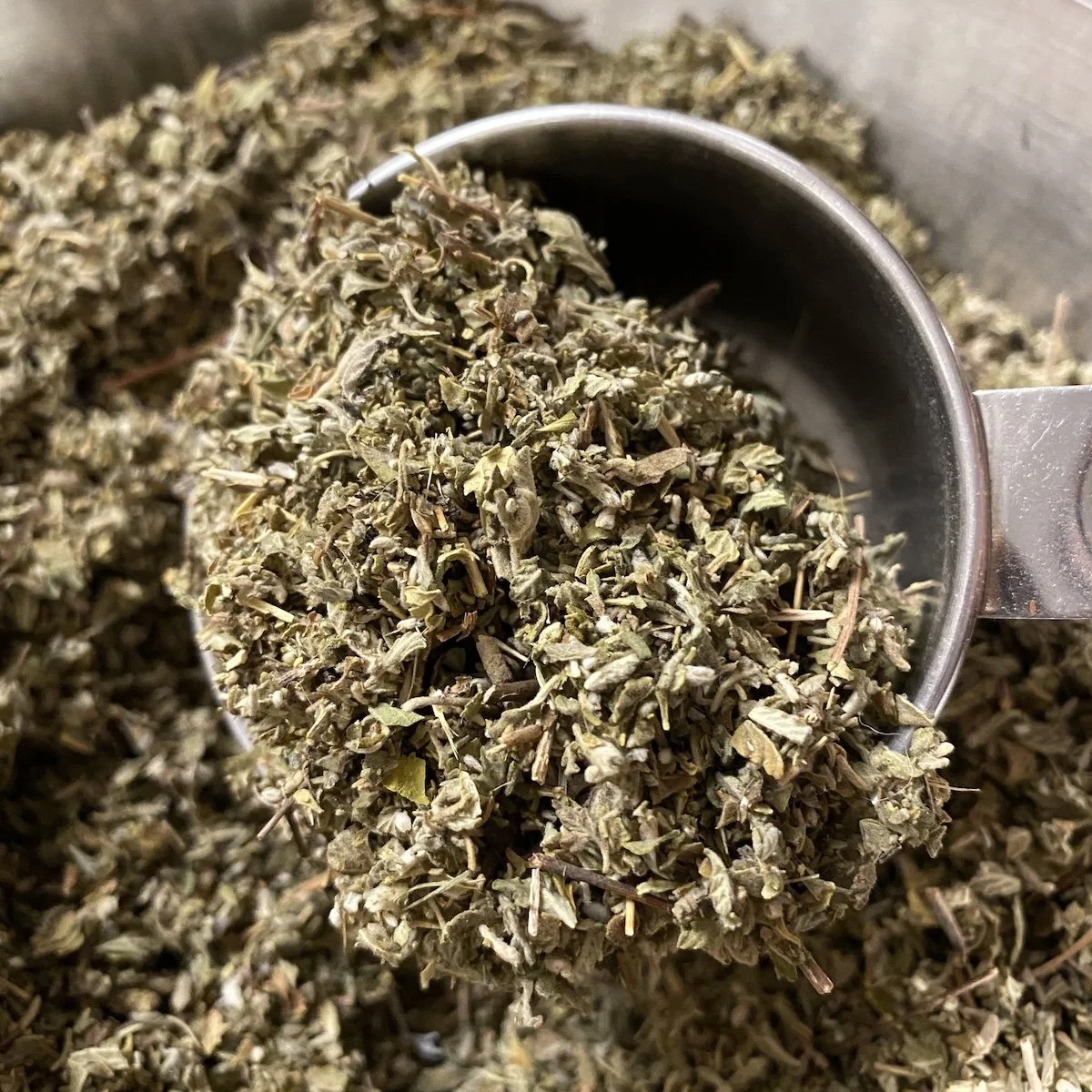
Overview Damiana (Turnera diffusa or Turnera aphrodisiaca) is a small shrub native to Mexico, Central and South America, and the Caribbean. The plant’s aromatic, gray-green leaves have a long history of traditional use for a variety of purposes, most notably as an herbal tonic and aphrodisiac. Damiana is available as dried leaf, tea, tincture, capsule, and extract.
Traditional Uses
Libido and sexual health: Historically used to enhance sexual desire and performance in both men and women.
Mood and nervous system support: Employed as a mild nervine to ease mild anxiety, promote a sense of well-being, and reduce mild depression.
Digestive support: Used traditionally to stimulate digestion and relieve constipation or mild gastrointestinal upset.
Respiratory and urinary complaints: Occasionally used in folk remedies for coughs and urinary issues.
Active Constituents Damiana contains a variety of phytochemicals, including:
Flavonoids (e.g., apigenin, luteolin)
Terpenes and volatile oils (e.g., cineole, pinene)
Alkaloids (trace amounts)
Cyanogenic glycosides (in small quantities) These constituents are thought to contribute to damiana’s stimulant, aphrodisiac, and mood-modulating properties, although clinical evidence is limited.
Forms and Dosage
Tea: 1–2 teaspoons (1–3 g) of dried leaf per cup of hot water; steep 5–10 minutes; 1–3 cups daily.
Tincture: Typical herbal tinctures vary; common dosing is 1–2 mL (20–40 drops) two to three times daily. Follow product-specific instructions.
Capsules/extracts: Standardized preparations vary widely; follow manufacturer dosing guidance. Start with the lower end of dosing ranges and adjust as needed. Consult a healthcare provider for individualized recommendations, especially if taking other medications.
Evidence and Efficacy Clinical research on damiana is limited and of variable quality. Some small studies and animal research suggest potential effects on sexual behavior, mild anxiolytic activity, and antispasmodic effects, but robust human clinical trials are lacking. Evidence is mostly anecdotal and based on traditional usage.
Safety and Side Effects
Common side effects: Generally well tolerated at customary doses; some users report mild gastrointestinal upset or headaches.
Toxicity: High doses or long-term use may carry risks due to trace cyanogenic glycosides and alkaloids; safety data are limited.
Pregnancy and breastfeeding: Use is not recommended due to insufficient safety data.
Children: Not recommended without medical supervision.
Liver: Rare reports implicate herbal products containing damiana in liver injury, but causality is unclear. Use cautiously if you have liver disease.
Interaction potential: May interact with central nervous system-active medications (e.g., sedatives, antidepressants) and with drugs metabolized by the liver. If you are on prescription medications, consult your clinician before use.
Quality and Sourcing Choose products from reputable manufacturers that provide transparency about sourcing, testing for contaminants (heavy metals, pesticides), and clear labeling of botanical identity. Organic and single-ingredient preparations reduce risk of adulteration.
Practical Tips
Brewing: Use freshly boiled water and steep covered to preserve volatile oils.
Blending: Damiana blends well with other relaxing or digestive herbs such as chamomile, peppermint, or valerian, depending on desired effects.
Storage: Store dried leaves in a cool, dark place in an airtight container to preserve aroma and potency.
When to See a Healthcare Provider Stop use and consult a healthcare professional if you experience allergic reactions, persistent gastrointestinal symptoms, jaundice, or other concerning signs. Seek medical advice before using damiana if you are pregnant, breastfeeding, have liver disease, or are taking other medications.
Summary Damiana leaf is a traditionally used herbal remedy most commonly employed for mild sexual dysfunction, mood support, and digestive complaints. Scientific evidence is limited; while generally well tolerated in customary doses, caution is warranted for pregnant or nursing people, those with liver disease, children, and anyone taking other medications. Prioritize high-quality products and consult a healthcare
Damiana Leaf
Overview Damiana (Turnera diffusa or Turnera aphrodisiaca) is a small shrub native to Mexico, Central and South America, and the Caribbean. The plant’s aromatic, gray-green leaves have a long history of traditional use for a variety of purposes, most notably as an herbal tonic and aphrodisiac. Damiana is available as dried leaf, tea, tincture, capsule, and extract.
Traditional Uses
Libido and sexual health: Historically used to enhance sexual desire and performance in both men and women.
Mood and nervous system support: Employed as a mild nervine to ease mild anxiety, promote a sense of well-being, and reduce mild depression.
Digestive support: Used traditionally to stimulate digestion and relieve constipation or mild gastrointestinal upset.
Respiratory and urinary complaints: Occasionally used in folk remedies for coughs and urinary issues.
Active Constituents Damiana contains a variety of phytochemicals, including:
Flavonoids (e.g., apigenin, luteolin)
Terpenes and volatile oils (e.g., cineole, pinene)
Alkaloids (trace amounts)
Cyanogenic glycosides (in small quantities) These constituents are thought to contribute to damiana’s stimulant, aphrodisiac, and mood-modulating properties, although clinical evidence is limited.
Forms and Dosage
Tea: 1–2 teaspoons (1–3 g) of dried leaf per cup of hot water; steep 5–10 minutes; 1–3 cups daily.
Tincture: Typical herbal tinctures vary; common dosing is 1–2 mL (20–40 drops) two to three times daily. Follow product-specific instructions.
Capsules/extracts: Standardized preparations vary widely; follow manufacturer dosing guidance. Start with the lower end of dosing ranges and adjust as needed. Consult a healthcare provider for individualized recommendations, especially if taking other medications.
Evidence and Efficacy Clinical research on damiana is limited and of variable quality. Some small studies and animal research suggest potential effects on sexual behavior, mild anxiolytic activity, and antispasmodic effects, but robust human clinical trials are lacking. Evidence is mostly anecdotal and based on traditional usage.
Safety and Side Effects
Common side effects: Generally well tolerated at customary doses; some users report mild gastrointestinal upset or headaches.
Toxicity: High doses or long-term use may carry risks due to trace cyanogenic glycosides and alkaloids; safety data are limited.
Pregnancy and breastfeeding: Use is not recommended due to insufficient safety data.
Children: Not recommended without medical supervision.
Liver: Rare reports implicate herbal products containing damiana in liver injury, but causality is unclear. Use cautiously if you have liver disease.
Interaction potential: May interact with central nervous system-active medications (e.g., sedatives, antidepressants) and with drugs metabolized by the liver. If you are on prescription medications, consult your clinician before use.
Quality and Sourcing Choose products from reputable manufacturers that provide transparency about sourcing, testing for contaminants (heavy metals, pesticides), and clear labeling of botanical identity. Organic and single-ingredient preparations reduce risk of adulteration.
Practical Tips
Brewing: Use freshly boiled water and steep covered to preserve volatile oils.
Blending: Damiana blends well with other relaxing or digestive herbs such as chamomile, peppermint, or valerian, depending on desired effects.
Storage: Store dried leaves in a cool, dark place in an airtight container to preserve aroma and potency.
When to See a Healthcare Provider Stop use and consult a healthcare professional if you experience allergic reactions, persistent gastrointestinal symptoms, jaundice, or other concerning signs. Seek medical advice before using damiana if you are pregnant, breastfeeding, have liver disease, or are taking other medications.
Summary Damiana leaf is a traditionally used herbal remedy most commonly employed for mild sexual dysfunction, mood support, and digestive complaints. Scientific evidence is limited; while generally well tolerated in customary doses, caution is warranted for pregnant or nursing people, those with liver disease, children, and anyone taking other medications. Prioritize high-quality products and consult a healthcare