 Image 1 of 2
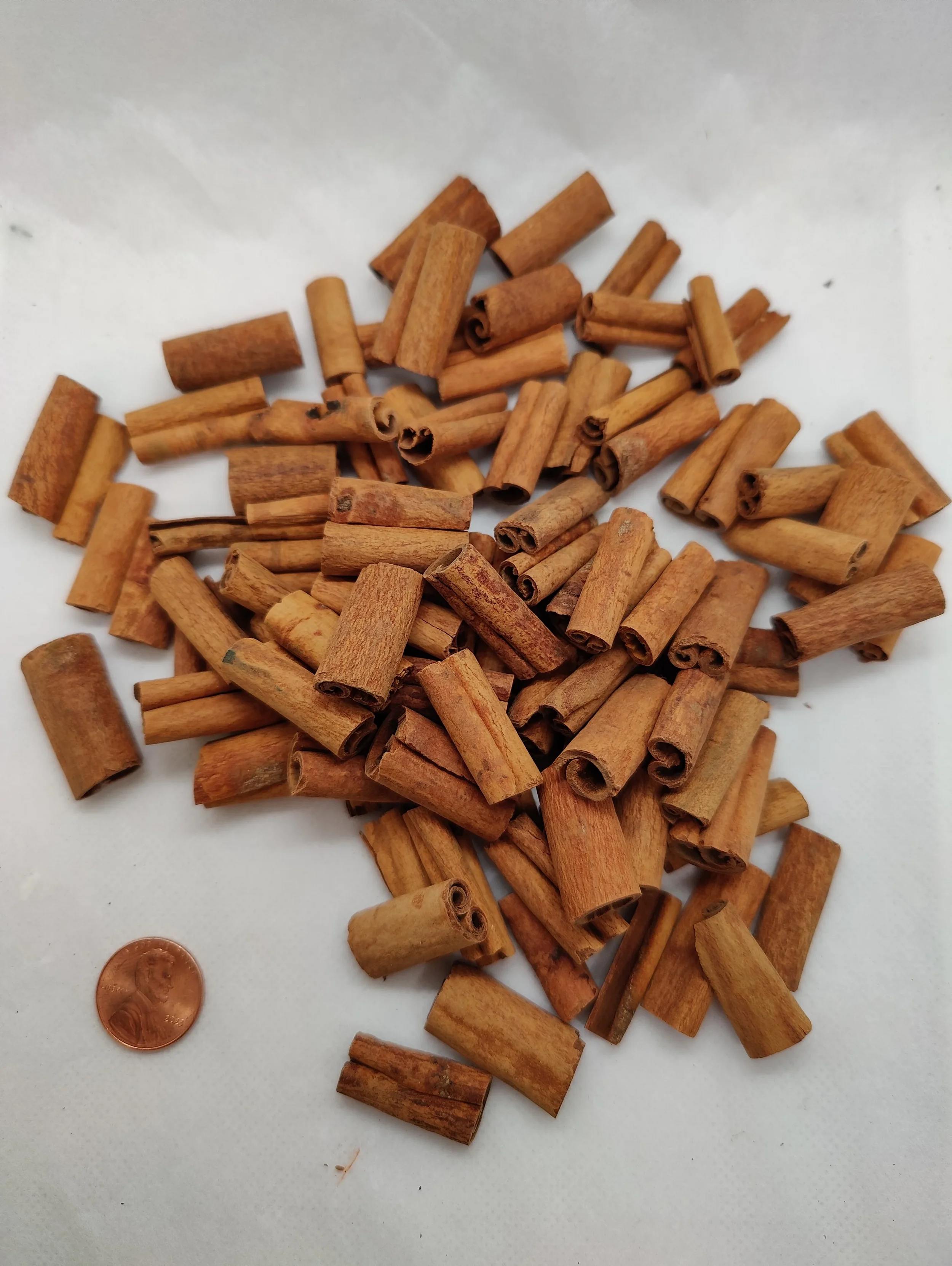 Image 2 of 2
Chopped cinnamon sticks
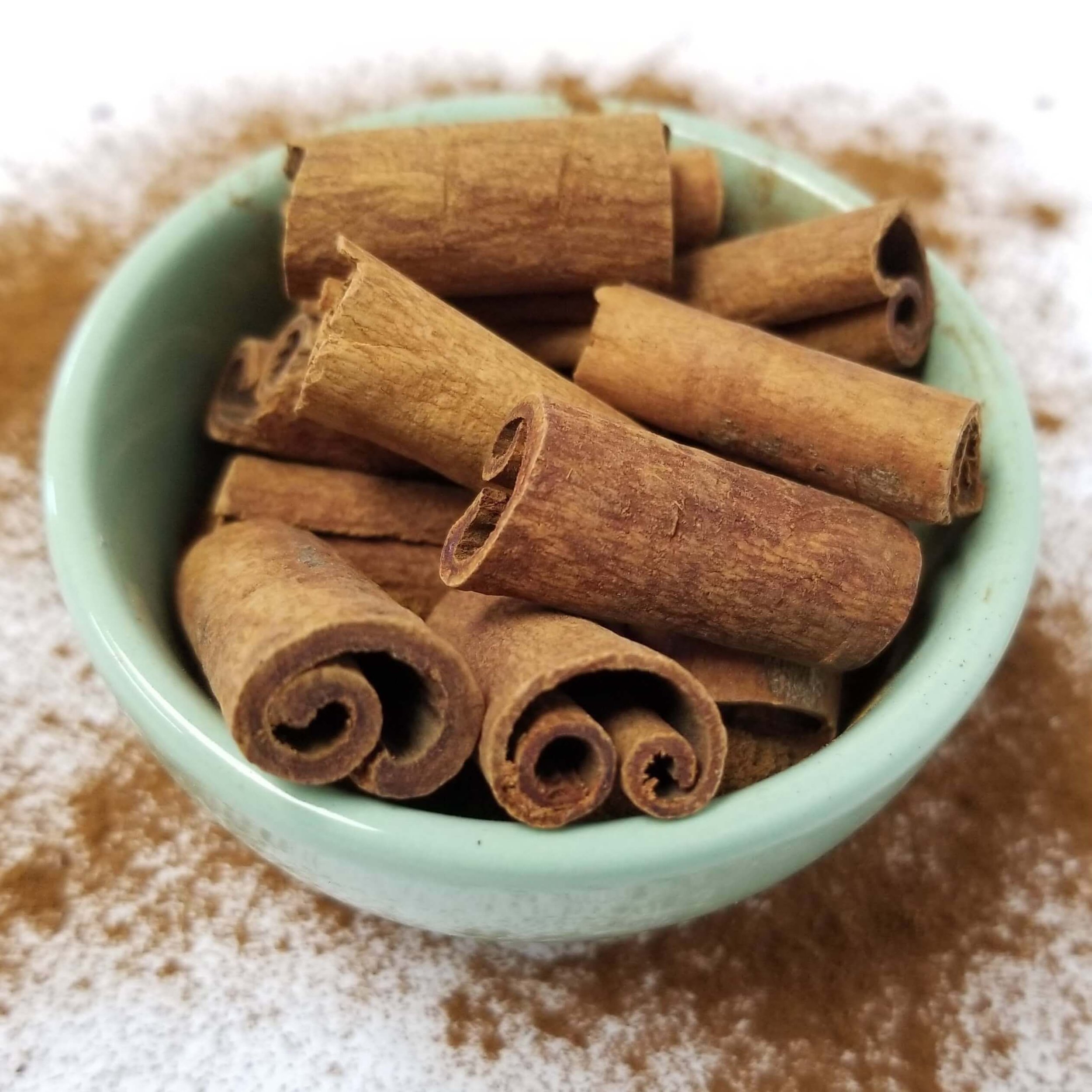
What they are: Chopped cinnamon sticks are sections of cinnamon quills cut into small pieces. Unlike ground cinnamon, they retain visible fibrous structure and release flavor gradually when steeped or cooked.
Flavor and aroma: Warm, sweet-spicy, slightly woody with a lingering, tannic finish. Intensity is milder on immediate impact than ground cinnamon but provides sustained infusion.
Uses
Infusions and hot liquids: Add to mulled wine, cider, chai, hot chocolate, or simmering poaching liquid for fruit. Use larger pieces for long simmers so they’re easy to remove.
Stews, braises, and curries: Add whole or chopped sticks to savory dishes (Moroccan tagines, Indian biryanis, Mexican mole) to impart depth without powdery texture.
Syrups and preserves: Simmer with sugar and water to make cinnamon syrup; strain out pieces before bottling.
Baking: Steep in milk or cream to infuse custards, puddings, or cake batters; remove before combining. Small pieces can be added to fruit fillings for pies and tarts.
Beverage garnishes: Drop a few pieces in a teapot or punch bowl for visual appeal and ongoing flavor; they also work as rustic stirrers.
Spice blends and sachets: Include in sachets for rice, beans, or braising liquids; chop coarsely for homemade garam masala or ras el hanout and toast gently.
How to chop
Tools: Use a sharp chef’s knife on a sturdy cutting board, a heavy-duty mezzaluna, or a small hammer/mallet placed in a resealable bag for coarser pieces.
Method: Place sticks flat, slice with a rocking motion for even thin pieces. For fine chips, split sticks lengthwise then chop across. When crushing, wrap in cloth or bag and pound to avoid flying fragments.
Safety tips: Cinnamon sticks are hard and can skid; hold firmly and keep fingers clear. Use controlled pressure to prevent the knife from slipping.
Substitutions and equivalents
Ground cinnamon: Use 1/2 to 1 teaspoon ground for each 3–4 inches of cinnamon stick chopped, but note the change in texture and extraction profile.
Cassia vs. Ceylon: Most commercial cinnamon sticks are cassia—stronger, more pungent. Ceylon (true cinnamon) is milder and sweeter; use more if substituting.
Storage: Keep in an airtight container in a cool, dark, dry place. Whole or chopped sticks retain best flavor for 1–2 years; refresh by toasting briefly to release oils if stale.
Notes on quality and sourcing: Look for quills that are tightly rolled, with a uniform brown color and warm scent. Avoid sticks that are brittle, pale, or musty. Organic and single
Chopped cinnamon sticks
What they are: Chopped cinnamon sticks are sections of cinnamon quills cut into small pieces. Unlike ground cinnamon, they retain visible fibrous structure and release flavor gradually when steeped or cooked.
Flavor and aroma: Warm, sweet-spicy, slightly woody with a lingering, tannic finish. Intensity is milder on immediate impact than ground cinnamon but provides sustained infusion.
Uses
Infusions and hot liquids: Add to mulled wine, cider, chai, hot chocolate, or simmering poaching liquid for fruit. Use larger pieces for long simmers so they’re easy to remove.
Stews, braises, and curries: Add whole or chopped sticks to savory dishes (Moroccan tagines, Indian biryanis, Mexican mole) to impart depth without powdery texture.
Syrups and preserves: Simmer with sugar and water to make cinnamon syrup; strain out pieces before bottling.
Baking: Steep in milk or cream to infuse custards, puddings, or cake batters; remove before combining. Small pieces can be added to fruit fillings for pies and tarts.
Beverage garnishes: Drop a few pieces in a teapot or punch bowl for visual appeal and ongoing flavor; they also work as rustic stirrers.
Spice blends and sachets: Include in sachets for rice, beans, or braising liquids; chop coarsely for homemade garam masala or ras el hanout and toast gently.
How to chop
Tools: Use a sharp chef’s knife on a sturdy cutting board, a heavy-duty mezzaluna, or a small hammer/mallet placed in a resealable bag for coarser pieces.
Method: Place sticks flat, slice with a rocking motion for even thin pieces. For fine chips, split sticks lengthwise then chop across. When crushing, wrap in cloth or bag and pound to avoid flying fragments.
Safety tips: Cinnamon sticks are hard and can skid; hold firmly and keep fingers clear. Use controlled pressure to prevent the knife from slipping.
Substitutions and equivalents
Ground cinnamon: Use 1/2 to 1 teaspoon ground for each 3–4 inches of cinnamon stick chopped, but note the change in texture and extraction profile.
Cassia vs. Ceylon: Most commercial cinnamon sticks are cassia—stronger, more pungent. Ceylon (true cinnamon) is milder and sweeter; use more if substituting.
Storage: Keep in an airtight container in a cool, dark, dry place. Whole or chopped sticks retain best flavor for 1–2 years; refresh by toasting briefly to release oils if stale.
Notes on quality and sourcing: Look for quills that are tightly rolled, with a uniform brown color and warm scent. Avoid sticks that are brittle, pale, or musty. Organic and single