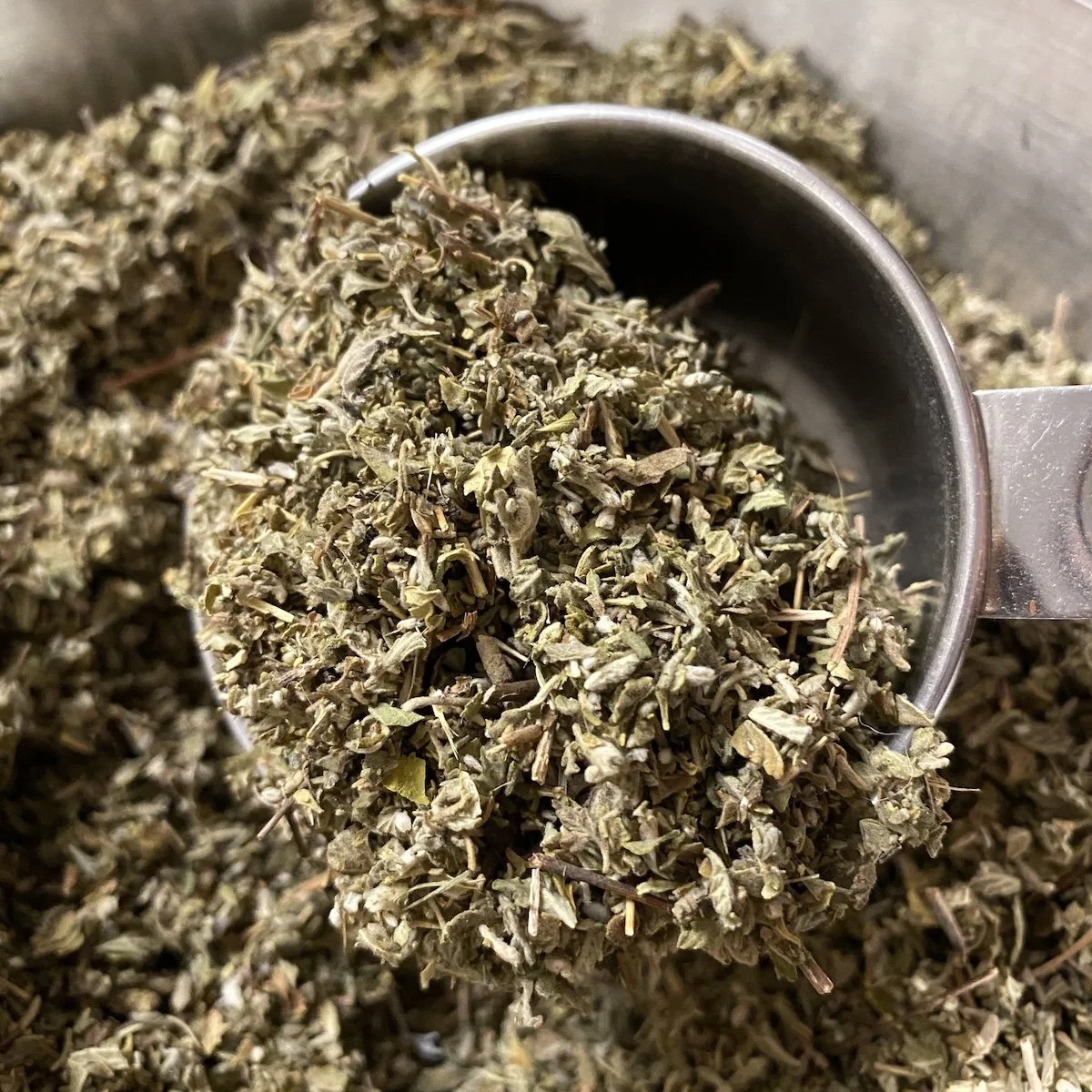
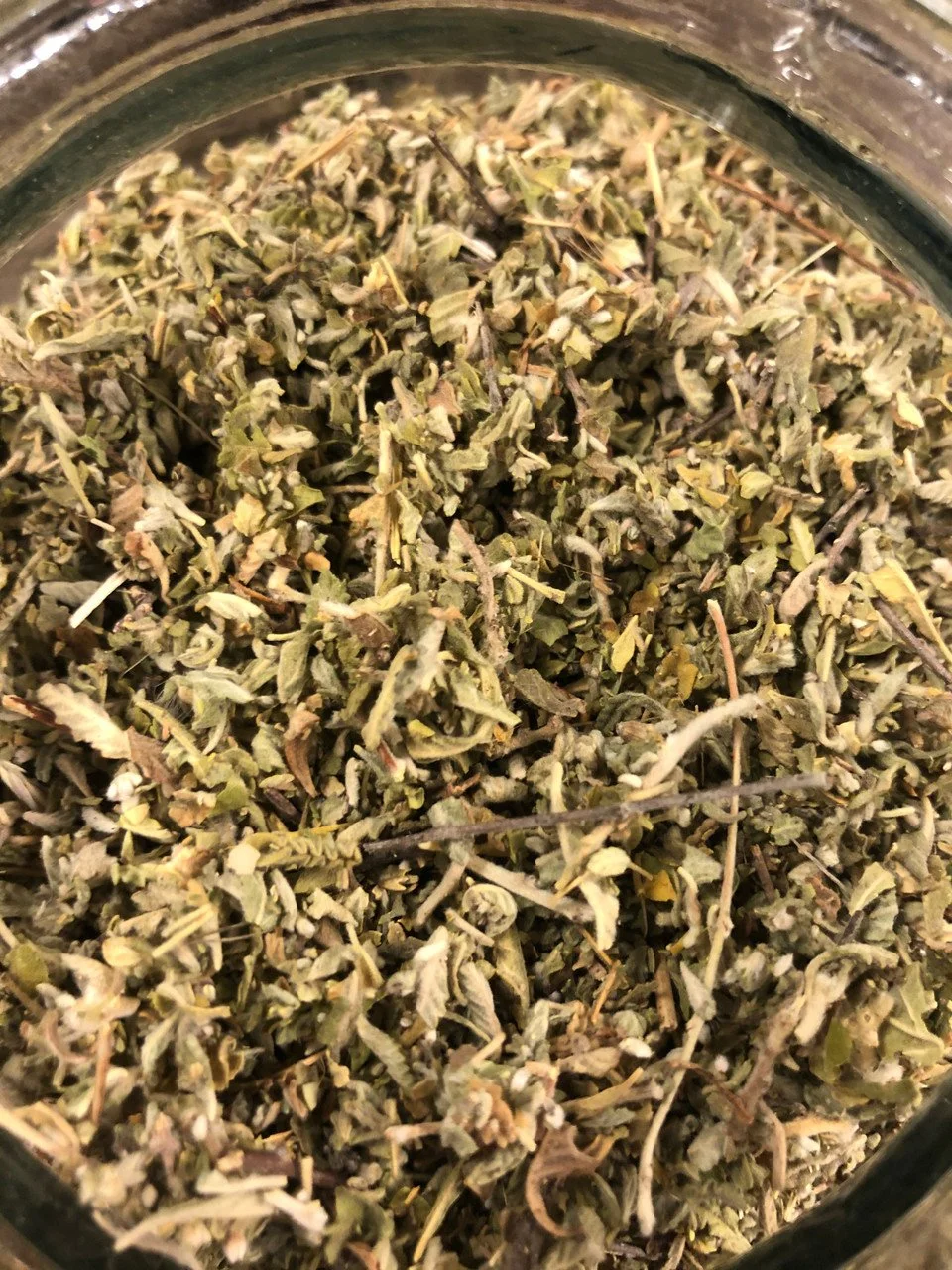
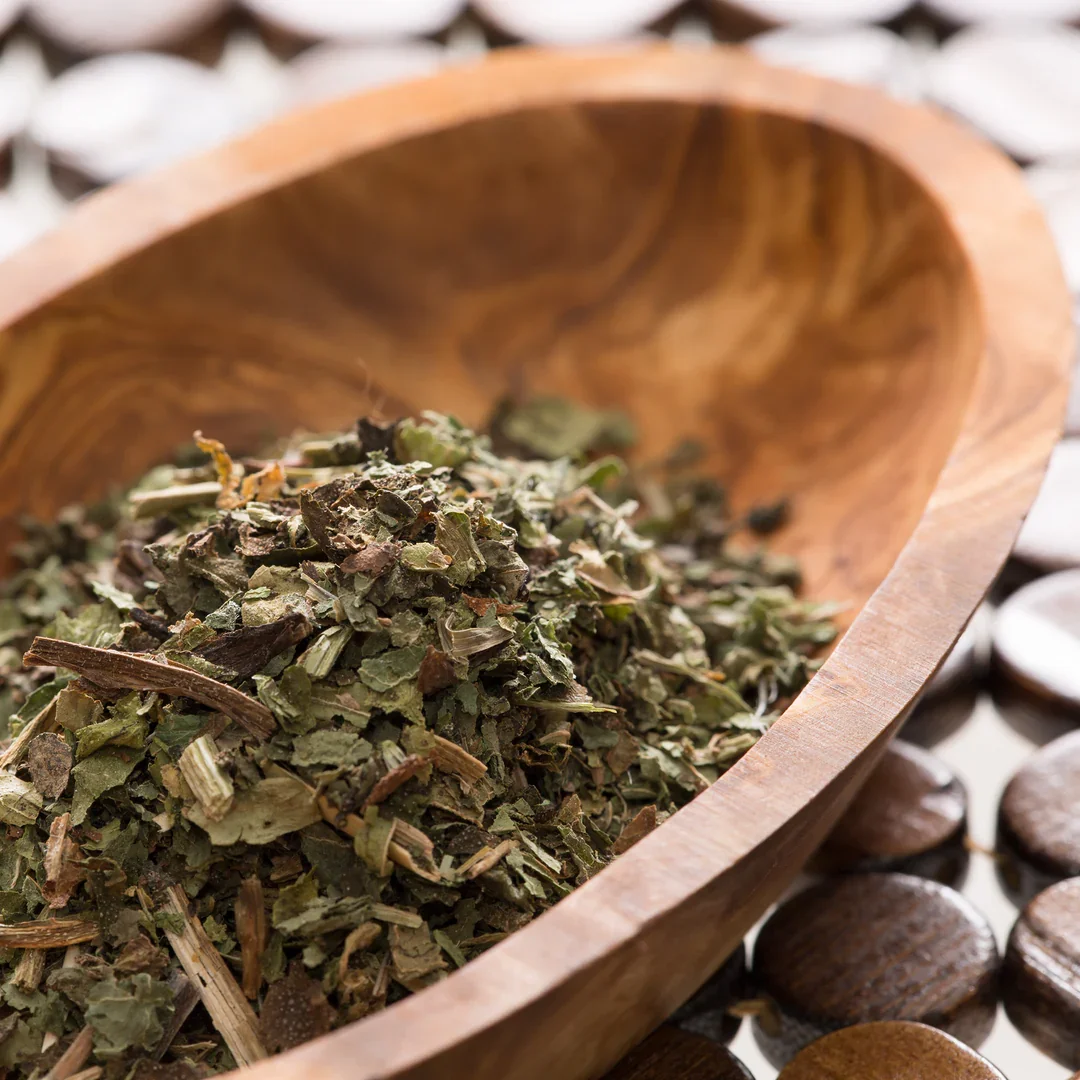
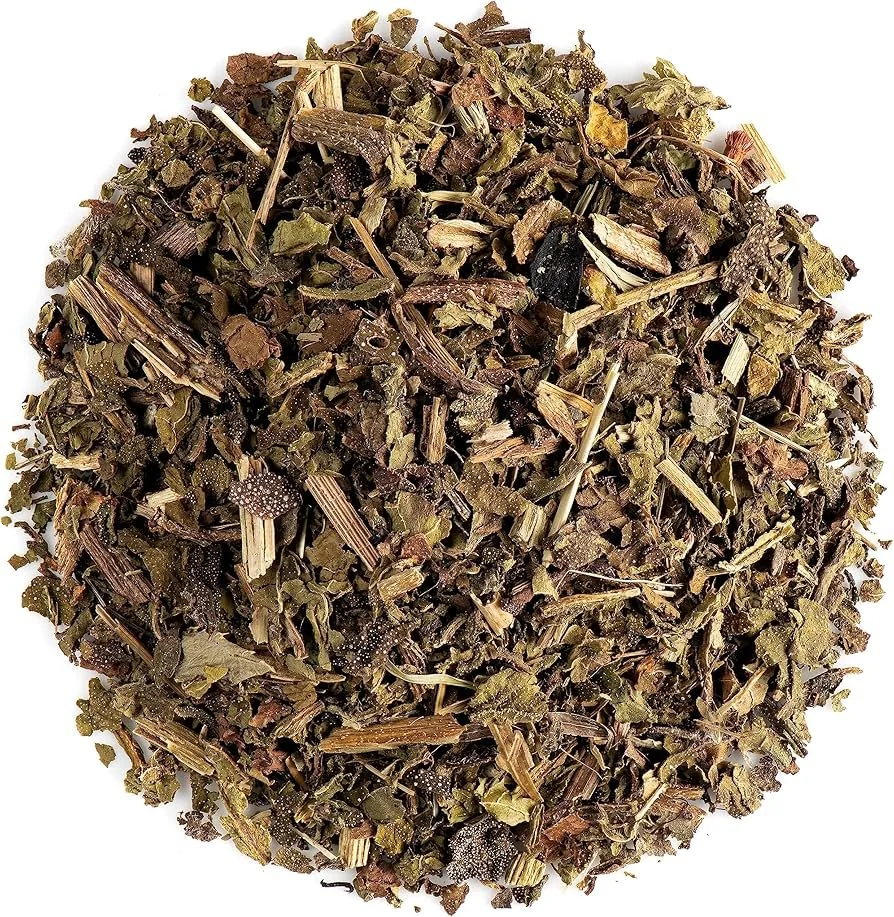
 Image 1 of 2
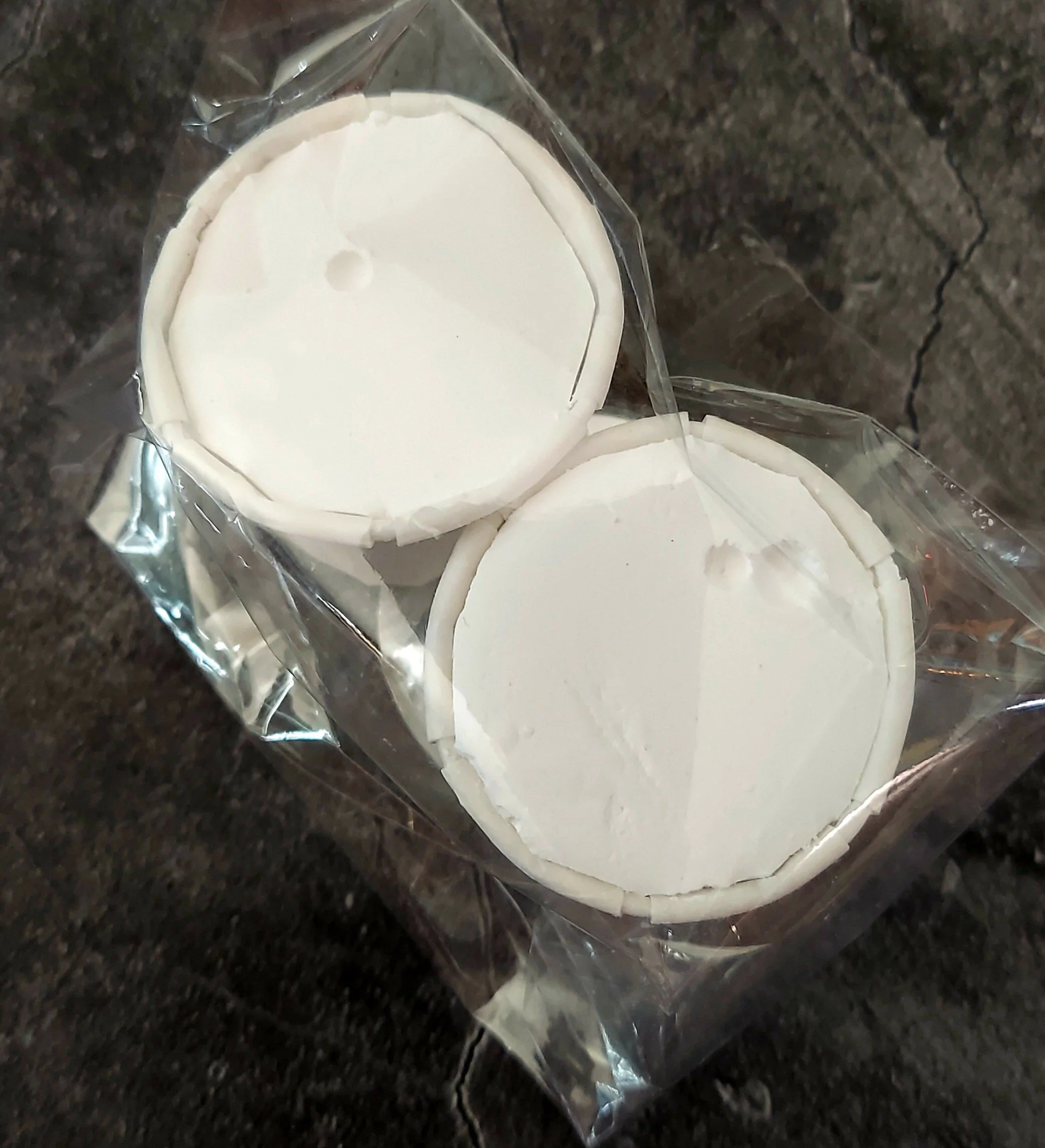 Image 2 of 2
Cascarilla Chalk
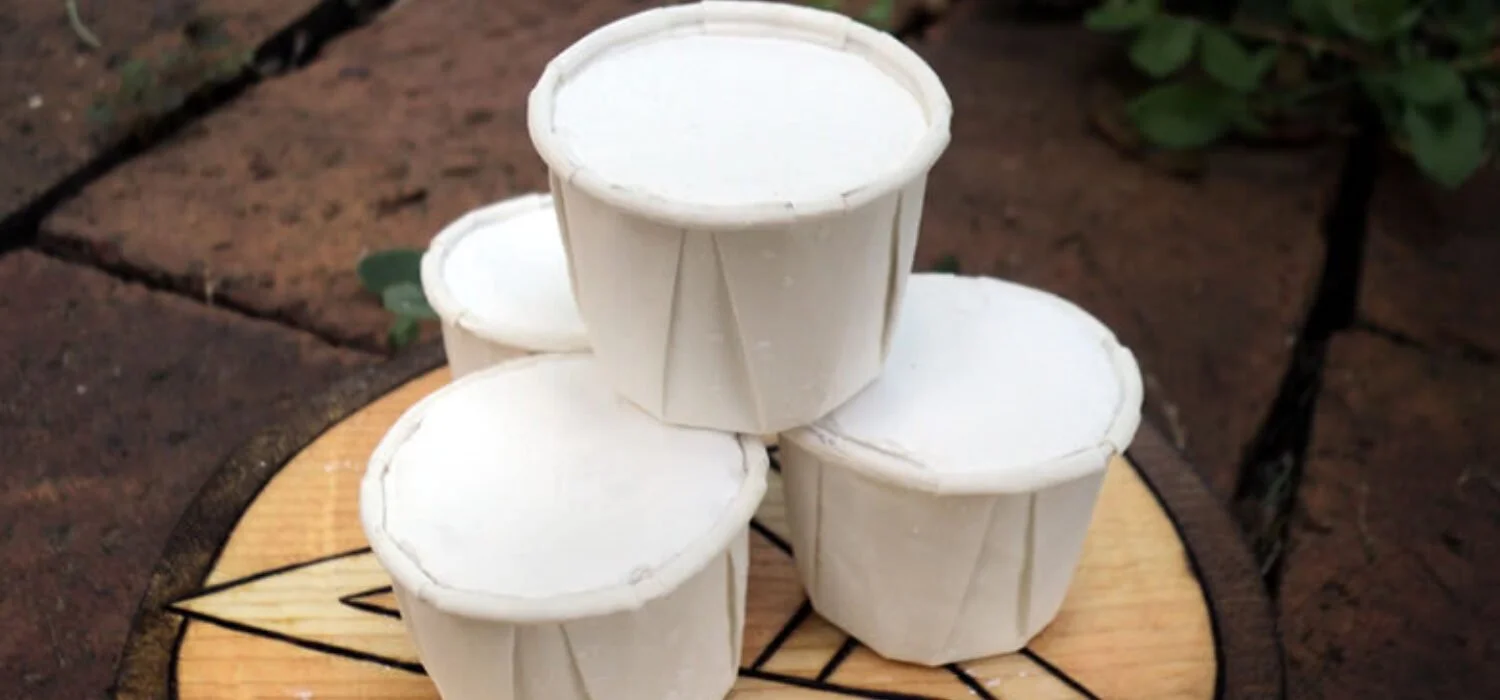
Cascarilla chalk is a fine, powdery substance made from the calcined shells of the eggs of little-known marine organisms and certain plant-derived materials historically used as an abrasive, polishing agent, and mild desiccant. It is distinct from common classroom chalk (calcium carbonate) and from traditional filtration or pharmaceutical chalks in composition and traditional uses.
Origin and composition
Primary source: calcined (heat-treated) shell material from small marine organisms and sometimes crushed, heat-processed plant husks. The term “cascarilla” refers to small shells or husks in Spanish.
Typical composition: predominately fine silica and calcium silicates, with variable amounts of trace minerals depending on source and processing. Particle morphology is very fine, often plate-like or powdery after milling.
Physical properties: very low moisture content after calcination, low-to-moderate hardness (so it abrades surfaces gently), and high porosity relative to dense mineral chalks.
Traditional and modern uses
Abrasive/polishing: used in fine polishing of metals, wood finishes, and stone to remove light surface stains or to provide a matte polish without aggressive scratching.
Desiccant/anti-caking: due to its porosity and low residual moisture, it can be used in small quantities as a moisture-control additive in powdered formulations or packaging.
Cosmetic and personal care: historically used in some powdered cosmetics and body powders as an absorbent and mild texturizer; modern cosmetic use requires strict purity testing and regulatory compliance.
Craft and ritual: used in various cultural rituals and crafts as a white powder for markings and symbolic applications.
Industrial filler: can serve as a low-cost filler in paints, adhesives, and certain composites where high thermal stability and light abrasiveness are acceptable.
Safety and handling
Inhalation risk: like many fine mineral powders, inhalation of respirable particles may irritate the respiratory tract and, with chronic exposure, could pose more serious pulmonary risks. Use appropriate dust control, ventilation, and respiratory protection for prolonged handling.
Skin and eye contact: generally low irritation potential for brief contact, but powder can be drying to skin and irritating to eyes. Use gloves and eye protection when dusty.
Purity concerns: natural sources can contain biologically derived contaminants, heavy metals, or shell-derived organics. Materials intended for cosmetics, food-contact products, or pharmaceuticals must be tested and processed to meet regulatory purity standards.
Environmental considerations: composed of naturally occurring mineral and shell components; disposal in small amounts is typically benign, but large-scale disposal should follow local regulations.
Quality and specification considerations
Particle size distribution: determine for application—coarser particles for light abrasive tasks, ultrafine for cosmetic or filler applications.
Residual moisture and volatile content: important for desiccant performance and for preventing
Cascarilla Chalk
Cascarilla chalk is a fine, powdery substance made from the calcined shells of the eggs of little-known marine organisms and certain plant-derived materials historically used as an abrasive, polishing agent, and mild desiccant. It is distinct from common classroom chalk (calcium carbonate) and from traditional filtration or pharmaceutical chalks in composition and traditional uses.
Origin and composition
Primary source: calcined (heat-treated) shell material from small marine organisms and sometimes crushed, heat-processed plant husks. The term “cascarilla” refers to small shells or husks in Spanish.
Typical composition: predominately fine silica and calcium silicates, with variable amounts of trace minerals depending on source and processing. Particle morphology is very fine, often plate-like or powdery after milling.
Physical properties: very low moisture content after calcination, low-to-moderate hardness (so it abrades surfaces gently), and high porosity relative to dense mineral chalks.
Traditional and modern uses
Abrasive/polishing: used in fine polishing of metals, wood finishes, and stone to remove light surface stains or to provide a matte polish without aggressive scratching.
Desiccant/anti-caking: due to its porosity and low residual moisture, it can be used in small quantities as a moisture-control additive in powdered formulations or packaging.
Cosmetic and personal care: historically used in some powdered cosmetics and body powders as an absorbent and mild texturizer; modern cosmetic use requires strict purity testing and regulatory compliance.
Craft and ritual: used in various cultural rituals and crafts as a white powder for markings and symbolic applications.
Industrial filler: can serve as a low-cost filler in paints, adhesives, and certain composites where high thermal stability and light abrasiveness are acceptable.
Safety and handling
Inhalation risk: like many fine mineral powders, inhalation of respirable particles may irritate the respiratory tract and, with chronic exposure, could pose more serious pulmonary risks. Use appropriate dust control, ventilation, and respiratory protection for prolonged handling.
Skin and eye contact: generally low irritation potential for brief contact, but powder can be drying to skin and irritating to eyes. Use gloves and eye protection when dusty.
Purity concerns: natural sources can contain biologically derived contaminants, heavy metals, or shell-derived organics. Materials intended for cosmetics, food-contact products, or pharmaceuticals must be tested and processed to meet regulatory purity standards.
Environmental considerations: composed of naturally occurring mineral and shell components; disposal in small amounts is typically benign, but large-scale disposal should follow local regulations.
Quality and specification considerations
Particle size distribution: determine for application—coarser particles for light abrasive tasks, ultrafine for cosmetic or filler applications.
Residual moisture and volatile content: important for desiccant performance and for preventing